
Deprecated: Creation of dynamic property Winner_Post_Class::$tags is deprecated in /home/trianglephysiotherapycom/public_html/wp-content/themes/winner/includes/objects/post-class.php on line 43
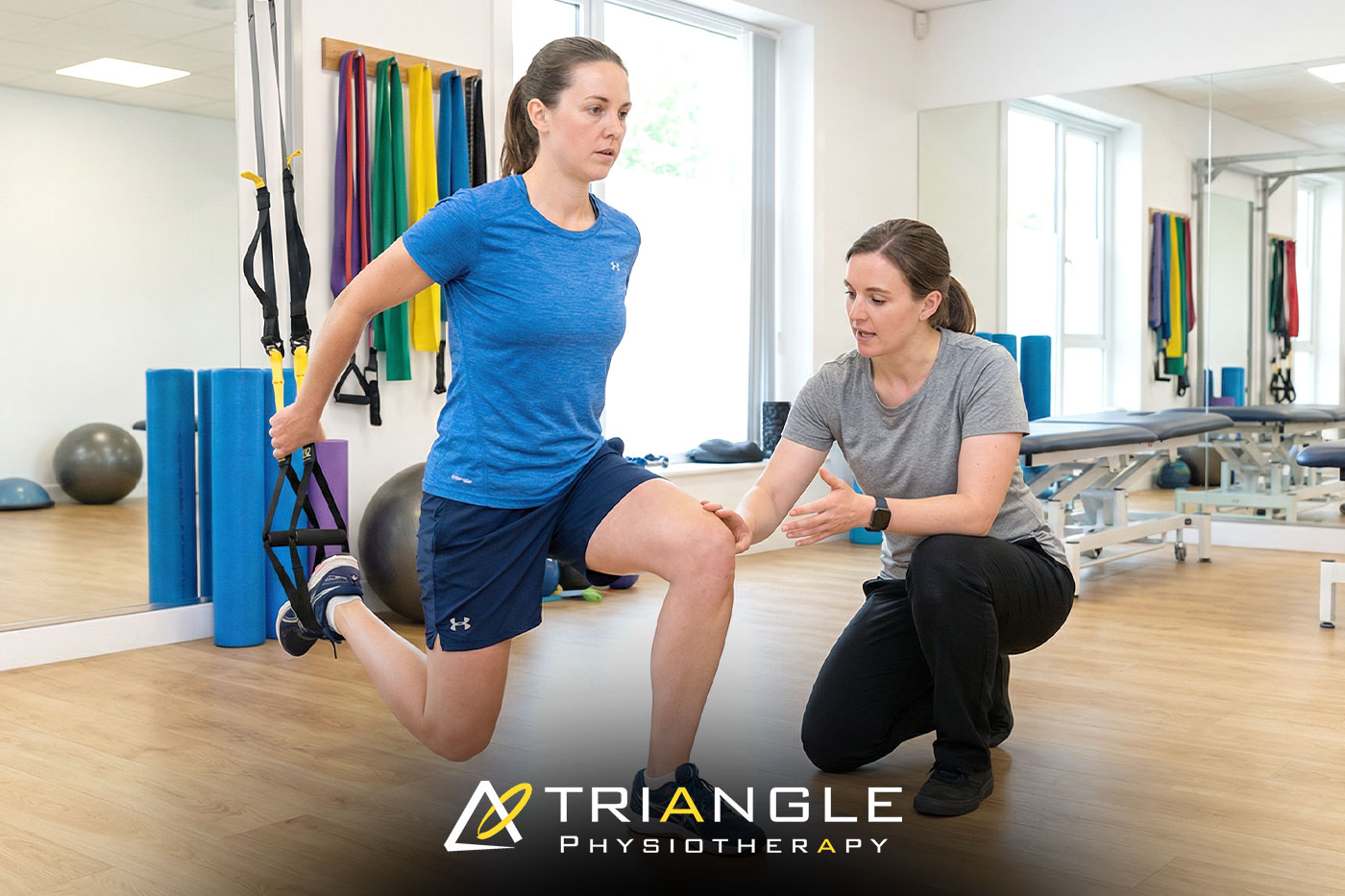
Sports injuries don’t just happen to professional athletes. Weekend warriors, gym-goers, runners, and recreational players across Toronto experience sprains, strains, tendon injuries, and joint pain every day. If you’ve recently been injured and are searching for Physiotherapy Etobicoke or the best physiotherapist near me, timing matters more than you might think.
Starting orthopedic physiotherapy early after a sports injury can significantly impact how well, and how quickly – you recover.
What Happens When Sports Injuries Are Left Untreated
Many people try to “push through” pain or rest until symptoms fade. While rest is important, avoiding proper treatment can lead to stiffness, weakness, poor movement patterns, and recurring injuries. In some cases, minor injuries become chronic problems that affect performance and daily activities.
Early intervention through sports-focused physiotherapy helps prevent these setbacks by addressing the injury before compensation patterns develop.
The Role of Early Orthopedic Physiotherapy

Orthopedic physiotherapy focuses on injuries involving muscles, joints, ligaments, and tendons. When started early, treatment supports the body’s natural healing process while maintaining mobility and strength.
Early physiotherapy after a sports injury may include:
- Controlled movement to prevent stiffness
- Targeted exercises to maintain strength
- Manual therapy to support tissue healing
- Education on load management and safe return to activity
This approach allows healing without unnecessary deconditioning, especially important for active individuals.
Faster, Safer Return to Sport and Activity
One of the biggest benefits of early physiotherapy is a more efficient return to sport. Instead of waiting until pain becomes severe, working with a physiotherapist early helps guide recovery step by step.
If you’re looking for sports physiotherapy Toronto, a proactive approach ensures that when you return to training, your body is ready, not vulnerable. Your physiotherapist will gradually reintroduce sport-specific movements, helping reduce the risk of re-injury.
Local Care for Active Toronto Communities
Active neighbourhoods like Etobicoke, King West, and Liberty Village are home to runners, cyclists, gym enthusiasts, and recreational sports leagues. Choosing a clinic familiar with these lifestyles makes a significant difference.
At Triangle Physiotherapy, orthopedic and sports injury care is designed around how patients actually train, work, and live. Whether you’re dealing with a gym-related injury or a sports-related strain, treatment plans are customized to your activity level and goals.
For those searching for Etobicoke physiotherapy sports injury and wellness, local expertise combined with evidence-based care ensures treatment that fits your routine and lifestyle.
Preventing Long-Term Issues
Early physiotherapy isn’t just about recovery, it’s about prevention. Proper movement retraining, strength development, and education help protect joints and tissues from future injuries. This long-term focus is what separates effective sports rehabilitation from short-term fixes.
Ready to Take Action After a Sports Injury?
If you’ve experienced a sports injury and want to recover safely and confidently, early orthopedic physiotherapy can make a meaningful difference. Triangle Physiotherapy offers experienced sports and orthopedic physiotherapy care for active individuals across Toronto, including Etobicoke and nearby communities.
Booking an appointment early can help you heal better, move stronger, and return to the activities you love with confidence.
Deprecated: Creation of dynamic property Winner_Post_Class::$tags is deprecated in /home/trianglephysiotherapycom/public_html/wp-content/themes/winner/includes/objects/post-class.php on line 43
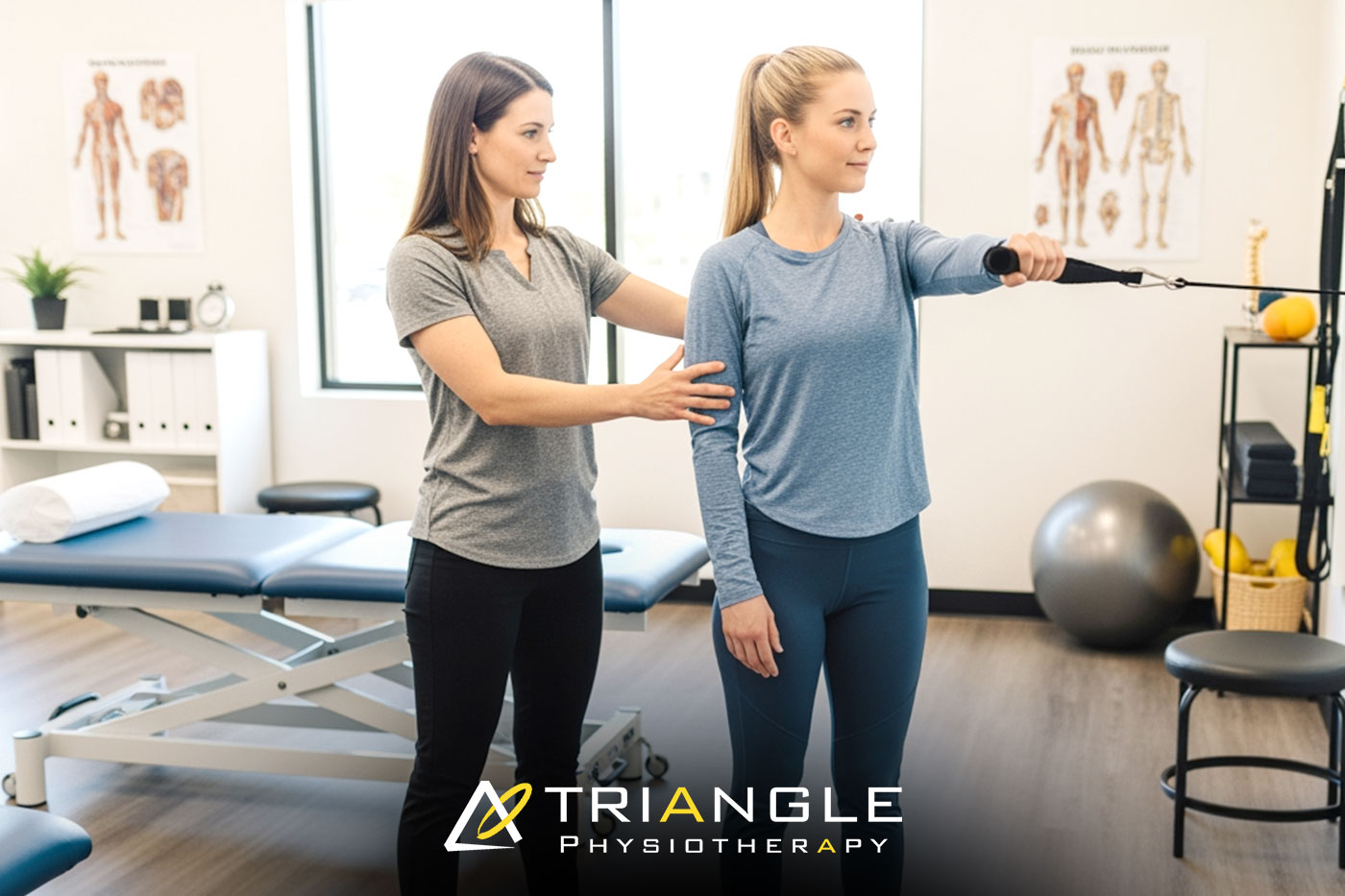
Moving Better Starts with the Right Care
Pain, stiffness, or limited mobility can quietly affect how you work, train, and live. At Triangle Physiotherapy, we see physiotherapy as more than treatment – it’s a pathway to moving with confidence again. Whether you’re recovering from an injury, managing a chronic condition, or simply aiming to stay active, choosing the right clinic matters.
If you’ve ever searched for a Physiotherapy Clinic Near Me, this guide is designed to help you understand what to expect and how to find the right care across Toronto, Mississauga, and surrounding areas.
What Is Physiotherapy and Who Is It for?

Physiotherapy focuses on restoring movement, reducing pain, and preventing future injury through evidence-based treatment. It’s for people of all ages and activity levels – from office professionals and athletes to seniors and post-surgical clients.
At Triangle Physiotherapy, treatment plans are personalized and may include hands-on therapy, therapeutic exercise, posture and movement education, and recovery strategies that fit into your daily routine.
Physiotherapy in Toronto: A City That Never Stops Moving

Toronto’s fast-paced lifestyle often brings physical challenges: long commutes, desk-based work, repetitive strain, and high training loads. That’s why Physiotherapy Toronto residents rely on should focus not just on short-term relief, but long-term results.
Our team takes time to understand the root cause of your concern, not just the symptoms. This commitment to quality care is why many clients searching for the best physiotherapist in Toronto find their way to Triangle Physiotherapy.
Serving Mississauga, Etobicoke, and Oakville
Access to quality physiotherapy shouldn’t be limited by location. Triangle Physiotherapy proudly supports clients across the GTA, including:
- Physiotherapy Mississauga: Ideal for those balancing busy work schedules and active lifestyles
- Physiotherapy Etobicoke: Supporting recovery, mobility, and injury prevention close to home
- Physiotherapy Oakville: Helping clients stay active, independent, and pain-free
No matter the location, our approach stays consistent – professional, personalized, and goal-driven.
What Sets Triangle Physiotherapy Apart
We believe great physiotherapy starts with listening. Every session is designed to educate and empower you, so you understand your body and feel confident in your recovery. We focus on progress you can feel, movement you can trust, and care that fits into real life.
When people look for a Physiotherapy Clinic Near Me, they’re often looking for reassurance, expertise, and results. That’s exactly what we aim to deliver.
Your Journey Starts Here
Whether you’re in Toronto, Mississauga, Etobicoke, or Oakville, physiotherapy can help you move better, feel stronger, and live more fully. At Triangle Physiotherapy, we’re proud to support communities across the GTA – one step, one movement, and one recovery at a time.
Deprecated: Creation of dynamic property Winner_Post_Class::$tags is deprecated in /home/trianglephysiotherapycom/public_html/wp-content/themes/winner/includes/objects/post-class.php on line 43

Feeling strong, capable, and confident in your movement is something everyone should be able to do. For many people, pain or injury can make even the simplest daily tasks feel overwhelming. If you are looking for physiotherapy near me in the North York area, Triangle Physiotherapy offers an evidence-based and empowering approach to healing.
What Makes Triangle Physiotherapy North York Unique?
The clinic is known for its personalized care, advanced treatment methods, and team of skilled therapists who prioritize patient comfort and outcomes. Upon checking Triangle Physiotherapy North York reviews, it is notable that they often highlight the clinic’s welcoming environment, professional expertise, and commitment to long-term recovery.
Whether you’re dealing with acute injuries, chronic pain, post-surgical rehabilitation, or mobility issues, the clinic’s therapists take the time to understand your lifestyle and goals before developing a customized treatment plan.
Exceptional Care from Top Professionals
Triangle Physiotherapy creates highly trained clinicians – many considered among the best physiotherapists in Toronto. Their expertise spans manual therapy, sports rehab, exercise prescription, acupuncture, vestibular therapy, shockwave therapy, and more. Their goal is to improve mobility, reduce pain, rebuild strength, and restore confidence in your movement.
This high level of care is why many patients consider Triangle one of the best Physiotherapy Clinic options available in North York.
A Solid Path to Strength and Confidence

No two people experience pain the same way. That’s why Triangle Physiotherapy North York focuses on individualized treatment strategies. During your assessment, your therapist will look at posture, muscle strength, joint mobility, and movement patterns to determine the root cause of your symptoms.
Your treatment plan may include a combination of:
- Hands-on manual therapy
- Strength and mobility exercises
- Soft-tissue techniques
- Corrective movement training
- Injury prevention strategies
- Pain-relief modalities
- Bracing if required
Patients have observed first-hand that consistent sessions not only reduce pain but also help them reconnect with their bodies.
Support for an Active North York Community
Whether you’re an athlete, office worker, senior, or new parent, Triangle Physiotherapy understands the demands of modern life. Our therapists support all activity levels and design programs that fit seamlessly into your routine.
The North York clinic is also equipped with modern facilities, flexible appointments, and a friendly team ready to support you every step of the way.
Choose Confidence. Choose Movement. Choose Healing.
If you’ve been looking online for physiotherapy near me and want a team that truly listens, Triangle Physiotherapy North York is the right choice. With outstanding therapists, personalized care, and consistently positive experiences reflected in Triangle physiotherapy north York reviews, it is evident why so many people trust this clinic with their health.
Move better, feel stronger, and regain confidence – your journey begins with us.
Deprecated: Creation of dynamic property Winner_Post_Class::$tags is deprecated in /home/trianglephysiotherapycom/public_html/wp-content/themes/winner/includes/objects/post-class.php on line 43

At Triangle Physiotherapy, we know that movement isn’t just about fitness – it’s about freedom. Whether it’s running after your kids, hiking the trails, or hitting your next gym milestone, staying active keeps you connected to the life you love. When pain, stiffness, or injury get in the way, it can feel like the world suddenly slows down.
This is where we come in. Our local physiotherapy services are designed to help you move better, recover faster, and feel stronger – right in your own community. With clinics offering Physiotherapy in Oakville, Toronto, Mississauga, and Etobicoke, expert care is always close by.
Move More. Move Better. Move Without Limits.
If you have been using the search terms, best physiotherapy near me, it’s likely because you’re ready to take action – not just to recover, but to thrive. At Triangle Physiotherapy, we see physiotherapy as a partnership with you. You bring your goals, your determination, and your story; we bring the expertise, the guidance, and the plan to help you get there.
Whether you’re training for a marathon, returning from an injury, or simply want to keep up with your busy lifestyle, our team creates personalized treatment plans to match your body’s needs.
What Makes Our Approach Different?
1. Performance-Focused Physiotherapy
We don’t just treat pain – we help you perform better. Our clinicians combine hands-on manual therapy with movement analysis, strength training, and recovery strategies. From Physiotherapy in Toronto for urban athletes to Physiotherapy in Oakville for weekend warriors, every session is built around your activity goals.
2. Prevent, Don’t Just Repair
The best physiotherapist in Toronto knows that prevention is the secret to longevity. That’s why we emphasize education, body awareness, and maintenance routines to help you stay injury-free. Because real progress isn’t about bouncing back – it’s about staying ahead.
3. Whole-Body Wellness
Our therapists look beyond the site of pain to find the root cause. Maybe it’s poor posture from long office hours, a repetitive sports strain, or stress that’s taken a physical toll. By addressing your movement patterns holistically, we help you feel balanced, flexible, and energized again.
Your Community, Your Care

No matter where you are, there’s a Triangle Physiotherapy clinic nearby ready to support you – from Physiotherapy in Mississauga to Physiotherapy in Etobicoke, and beyond. Our spaces are designed to be uplifting and empowering – a place where you can focus on recovery without pressure or judgment.
And because every therapist on our team shares the same philosophy – that you deserve to move freely and live fully – you’ll always feel supported by the best physiotherapist near me no matter which location you visit.
Ready to Get Moving?
Activity is life – and your body deserves the best support to keep it going. Whether you’re chasing performance goals or simply want to feel better in your daily routine, Triangle Physiotherapy is here to help you move without limits.
Book your appointment today at your nearest Triangle Physiotherapy location in Oakville, Toronto, Mississauga, or Etobicoke – and take that first step toward a stronger, more active you.
Because every great adventure begins with movement. Boost your activity with local physiotherapy services from Triangle Physiotherapy. Book an appointment at our clinics in Toronto, Oakville, Mississauga, and Etobicoke and get moving again with confidence.
Deprecated: Creation of dynamic property Winner_Post_Class::$tags is deprecated in /home/trianglephysiotherapycom/public_html/wp-content/themes/winner/includes/objects/post-class.php on line 43

The ulnar nerve runs from your neck, through your shoulder and elbow, and down into your hand. It’s responsible for sensation in your ring and pinky fingers and plays a key role in fine motor control.
When the nerve becomes compressed-especially around the elbow (in the cubital tunnel)-you may experience:
- Tingling or numbness in the ring and pinky fingers
- Weak grip strength
- Clumsiness when handling small objects
- Elbow pain that worsens when the arm is bent
This condition is called ulnar nerve entrapment, and it’s more common than you might think-especially in athletes, desk workers, and people with repetitive arm motions.
How Ulnar Nerve Therapy Helps
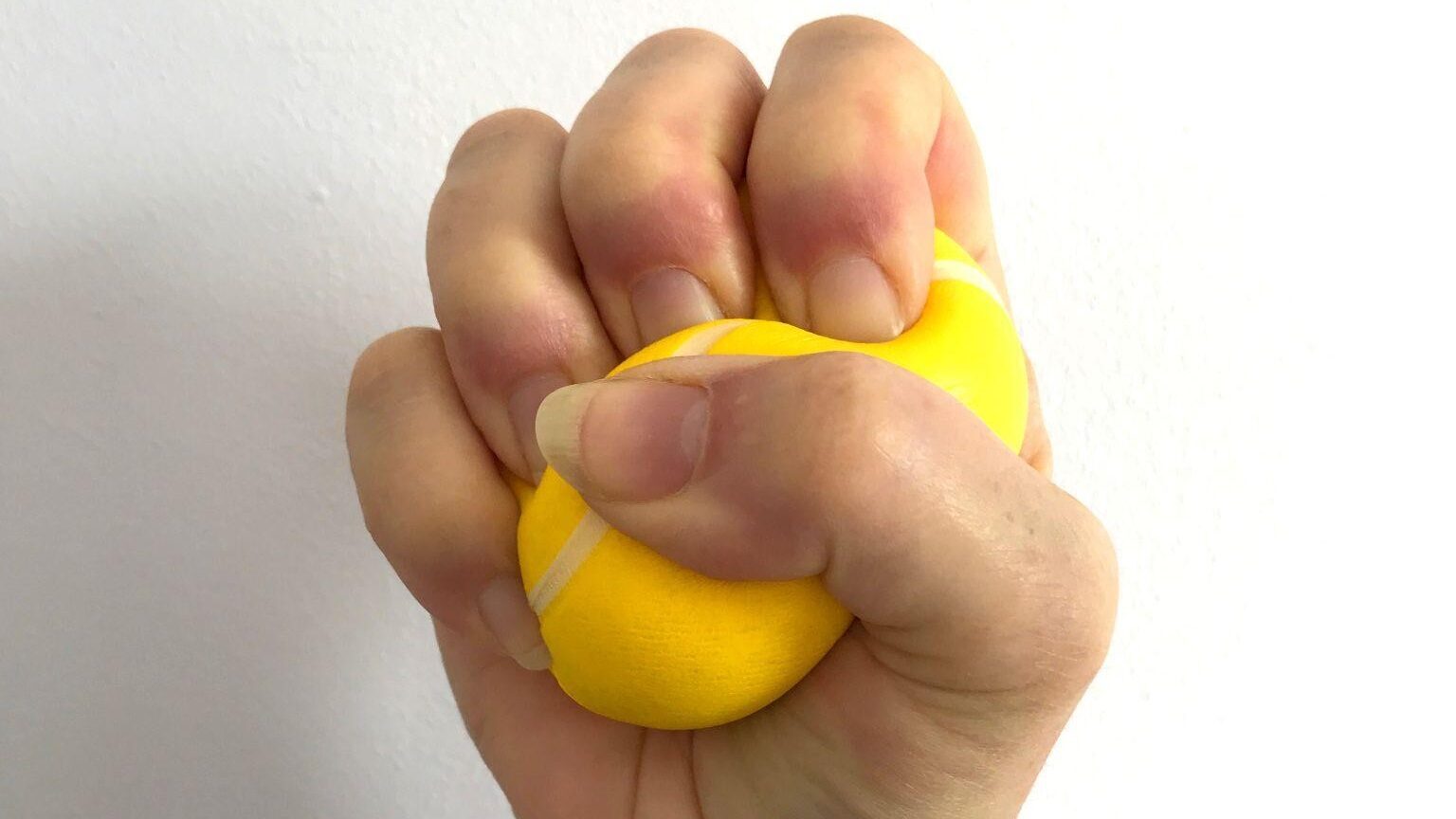
If you’re dealing with symptoms, don’t wait for them to go away on their own. At Triangle Physiotherapy, our team offers targeted, evidence-based ulnar nerve therapy to reduce pressure, improve mobility, and prevent long-term damage.
Here’s what your recovery journey might look like:
1. Assessment & Diagnosis
Your physiotherapist will evaluate your symptoms, movement patterns, posture, and arm function to pinpoint where the nerve is being compressed. This helps rule out other conditions like cervical spine issues or carpal tunnel syndrome.
2. Pain Relief & Protection
In the early stages, we focus on reducing inflammation and minimizing irritation:
- Activity modification (especially avoiding prolonged elbow flexion)
- Ergonomic advice for work and sleep positions
- Gentle modalities to calm irritated tissue
3. Ulnar Nerve Glides
One of the most powerful tools in your recovery toolbox? Ulnar nerve glides.
These are gentle, controlled movements that “floss” the nerve through its pathway-freeing it from areas of compression and restoring its mobility. You’ll learn how to perform them safely and effectively as part of your rehab program.
Bonus: These glides also improve circulation to the nerve, which can accelerate healing and reduce symptoms.
4. Strengthening & Mobility Work
As symptoms improve, your therapist will guide you through a tailored strengthening program to stabilize your shoulder, elbow, and wrist. This may include:
- Grip strengthening
- Postural retraining
- Core and scapular stabilization
- Stretching tight structures that may be contributing to compression
5. Return to Sport or Daily Activity
Whether you’re swinging a tennis racket, lifting weights, or typing for hours a day, we’ll help you safely return to your routine with confidence. We focus on:
- Rebuilding endurance
- Optimizing technique
- Preventing re-irritation
Where to Find Expert Ulnar Nerve Therapy in the GTA
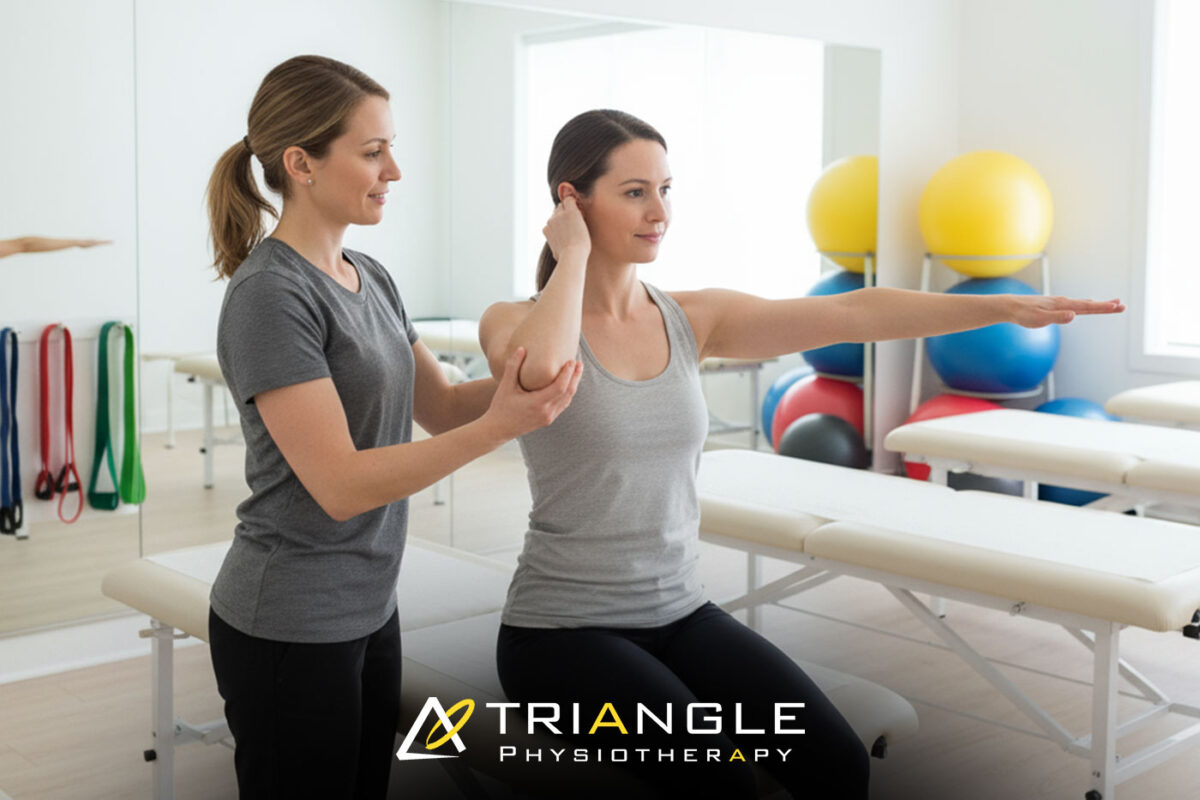
Looking for physiotherapy in North York, Oakville, or Etobicoke? Triangle Physiotherapy has you covered.
Our experienced team offers hands-on treatment and personalized care to address ulnar nerve entrapment and get you back to doing what you love-pain-free and stronger than before.
How to Prevent Ulnar Nerve Issues Long-Term
- Avoid prolonged elbow flexion (especially during sleep)
- Keep good posture during desk work
- Strengthen your upper body to support your arms
- Perform ulnar nerve glides as recommended
- Listen to early signs-don’t ignore the tingling!
Ready to Take the Pressure Off?

You don’t have to live with tingling hands, weak grip, or elbow pain. Whether you’re an athlete, a weekend warrior, or a dedicated desk worker, ulnar nerve therapy can make a life-changing difference.
Book your appointment today at Triangle Physiotherapy-serving patients across Etobicoke, North York, Oakville, and the Greater Toronto Area.
Let’s get your nerves firing on all cylinders again-no numbness, no limits.
Deprecated: Creation of dynamic property Winner_Post_Class::$tags is deprecated in /home/trianglephysiotherapycom/public_html/wp-content/themes/winner/includes/objects/post-class.php on line 43

At Triangle Physiotherapy, we believe that knowledge is the first step toward recovery. One condition that we often see in our clinic is ulnar nerve entrapment. This condition, while common, is often misunderstood. In this blog, we’ll explain what ulnar nerve entrapment is, how it happens, and how physiotherapy can help.
What is Ulnar Nerve Entrapment?
The ulnar nerve is one of the main nerves in your arm, running from your neck down to your hand. It controls the muscles in your forearm and hand, including those responsible for fine motor skills. Ulnar nerve entrapment occurs when this nerve becomes compressed or irritated, typically at the elbow or wrist, leading to pain, numbness, or weakness in the hand and fingers.
This condition is sometimes referred to as “cubital tunnel syndrome” when it happens at the elbow, or “Guyon’s canal syndrome” when it occurs at the wrist. It’s important to address this problem promptly because if left untreated, it can lead to long-term nerve damage and functional impairment.
Causes of Ulnar Nerve Entrapment
Ulnar nerve entrapment can result from various factors, including:
- Repetitive motion: Activities that require repetitive arm movements, like typing, playing certain sports (e.g., tennis or golf), or assembly-line work, can put pressure on the ulnar nerve.
- Prolonged elbow flexion: When your elbow stays bent for long periods, such as when sleeping with your arm in a bent position, it can increase pressure on the ulnar nerve at the cubital tunnel.
- Direct trauma: A blow to the elbow or wrist can cause swelling or scar tissue that compresses the nerve.
- Anatomical issues: Some people are born with anatomical variations that make them more susceptible to ulnar nerve entrapment.
Symptoms of Ulnar Nerve Entrapment
The symptoms of ulnar nerve entrapment vary depending on the severity of the compression but commonly include:
- Numbness or tingling: You may feel a sensation of “pins and needles” in your ring and pinky fingers, especially when bending the elbow.
- Weakness: The muscles in your hand or forearm may feel weak, making it hard to grip or perform tasks that require fine motor skills, such as typing or buttoning a shirt.
- Pain: Sharp or aching pain may radiate from the elbow down to the hand, particularly when leaning on the elbow or holding the arm in a fixed position.
Treatment for Ulnar Nerve Entrapment
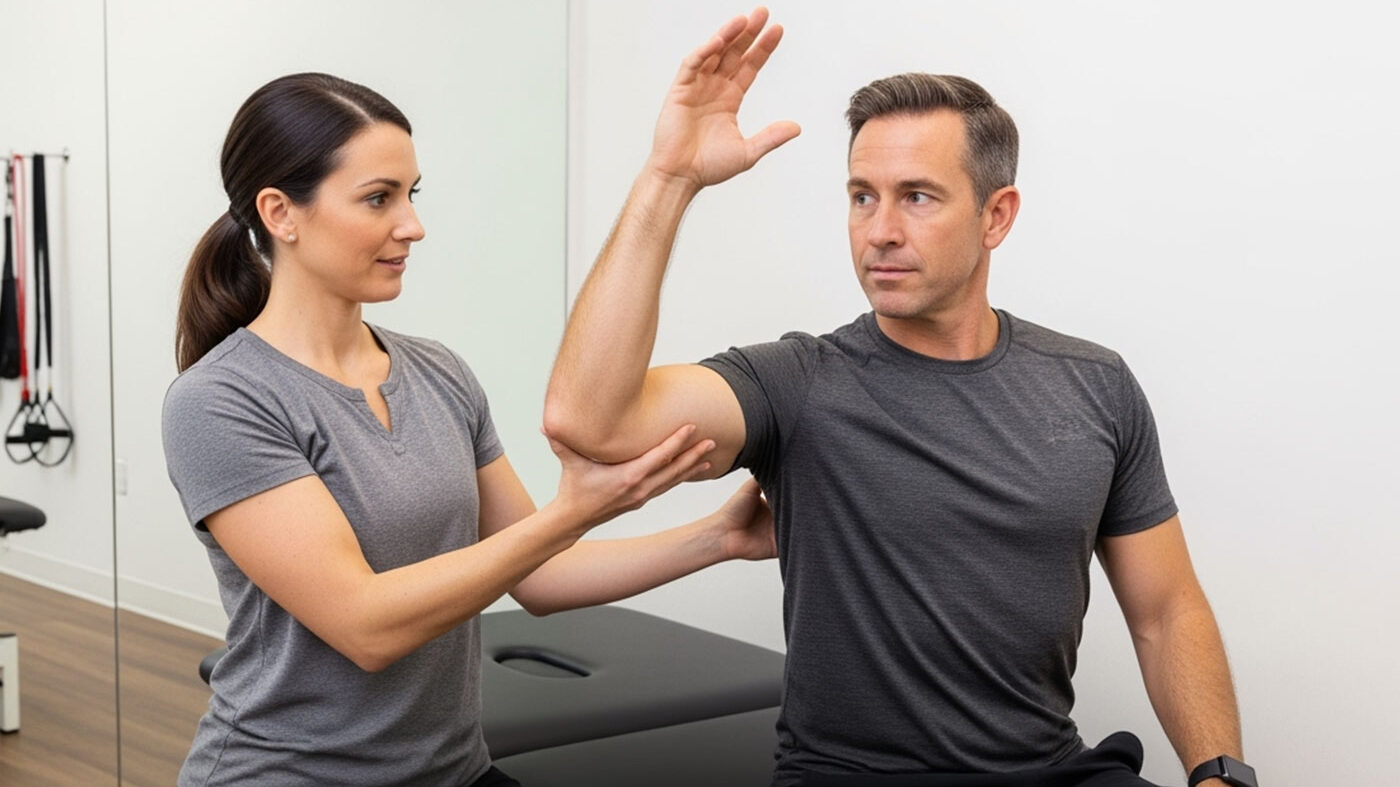
At Triangle Physiotherapy, our goal is to help you recover from ulnar nerve entrapment in a safe, effective, and non-invasive manner. Physiotherapy treatment often includes:
- Manual Therapy: Hands-on techniques to relieve tension, improve mobility, and reduce pressure on the ulnar nerve.
- Strengthening Exercises: A program designed to strengthen the muscles in the forearm and hand to help improve nerve function and prevent further injury.
- Stretching and Nerve Gliding Exercises: These exercises gently mobilize the ulnar nerve, helping to reduce tightness and improve circulation around the nerve.
- Ergonomic Advice: We provide recommendations on how to adjust your posture, workstation, or activity patterns to reduce stress on the elbow and wrist.
- IMS: Intramuscular stimulation not only helps you get rid of the symptomatic pain but also helps you trace the root cause of the problem. The results are golden.
In more severe cases, if conservative treatments like physiotherapy don’t bring relief, we may refer you to a specialist for further evaluation or suggest alternative treatments like injections or surgery.
Preventing Ulnar Nerve Entrapment
Prevention is always better than cure. Some simple tips to avoid ulnar nerve entrapment include:
- Taking breaks from repetitive activities
- Avoiding prolonged elbow flexion (e.g., don’t rest your elbow on hard surfaces for long periods)
- Using ergonomic supports like wrist splints during sleep. We help with custom braces especially for your measurements and it is also covered by your insurance.
Conclusion
If you’re experiencing symptoms like hand numbness, tingling, or weakness, ulnar nerve entrapment might be the culprit. The good news is that physiotherapy can be highly effective in alleviating symptoms and preventing future problems. At Triangle Physiotherapy, our team is here to provide personalized care and guide you through the healing process.
Don’t wait for the problem to worsen. Contact us today and take the first step toward a pain-free, more active life!
Deprecated: Creation of dynamic property Winner_Post_Class::$tags is deprecated in /home/trianglephysiotherapycom/public_html/wp-content/themes/winner/includes/objects/post-class.php on line 43

Starting over in a new country isn’t easy – especially in your later years. For many refugee seniors, the journey to Canada comes with more than cultural adjustments. It often brings physical pain, limited mobility, and emotional stress. At Triangle Physiotherapy, we understand that healing means more than treating an injury. It’s about restoring comfort, independence, and dignity.
That’s why we’re proud to offer physiotherapy services tailored to the unique needs of refugee seniors living in Oakville and Etobicoke.
The Overlooked Health Needs of Refugee Seniors
Older adults arriving as refugees may face several health challenges:
- Chronic pain from years of physical labor, injury, or untreated conditions
- Limited mobility due to joint stiffness, arthritis, or neurological issues
- Post-traumatic stress or anxiety that impacts movement and daily function
- Lack of access to previous care or rehabilitation in their home country
These factors, combined with language barriers and unfamiliar health systems, often leave many seniors suffering in silence.
How Physiotherapy Can Help

Physiotherapy isn’t just for athletes or people recovering from surgery. For seniors, it’s often the difference between staying active – or becoming dependent.
At Triangle Physiotherapy, we support seniors with:
- Pain relief techniques for arthritis, back pain, and joint issues
- Balance and fall prevention exercises to improve confidence and safety
- Mobility training using walkers, canes, or tailored movement routines
- Gentle strengthening to improve stamina and independence
- Education and support on posture, body mechanics, and safe movement
Whether it’s walking to the grocery store, playing with grandchildren, or simply getting up from a chair with ease – our goal is to help every senior move with less pain and more freedom.
Care That Respects Culture and Communication
We understand that many refugee seniors come from cultures where pain is quietly endured or healthcare is approached differently. Our physiotherapists take time to build trust and communicate with patience and clarity.
We use plain language, visual aids, and interpreter support when needed – ensuring every senior understands their care and feels heard. We believe healing should never be lost in translation.
Accessing Support Through IFHP
Our Oakville and Etobicoke clinics offer care for seniors covered under the Interim Federal Health Program (IFHP). We’ll help guide you or your loved ones through the process – so accessing physiotherapy feels simple, not stressful.
Aging with Dignity
Growing older doesn’t have to mean living in pain or giving up independence. At Triangle Physiotherapy, we stand with our newcomer and refugee communities – offering care that empowers, respects, and uplifts.
If you or a loved one is a refugee senior living with mobility challenges or chronic pain, we’re here to help you take the next step – literally and figuratively.
Contact Triangle Physiotherapy Oakville or Etobicoke to book your first session.
Deprecated: Creation of dynamic property Winner_Post_Class::$tags is deprecated in /home/trianglephysiotherapycom/public_html/wp-content/themes/winner/includes/objects/post-class.php on line 43

Headaches and migraines are common conditions that can significantly impact quality of life. For many people, these conditions can become chronic, leading to frequent discomfort and reduced quality of life. While medication may provide temporary relief, it often doesn’t address the underlying causes of the pain. This is where physiotherapy comes in. Specifically, those in Etobicoke can benefit from a comprehensive, holistic approach to managing headaches and migraines through physiotherapy.
Understanding the Root Causes of Headaches and Migraines
Headaches and migraines can arise from various factors, including:
- Muscle Tension: Chronic muscle tension in the neck, shoulders, and jaw can contribute to headaches.
- Poor Posture: Poor posture can lead to misalignment of the spine, straining muscles and nerves.
- Stress and Anxiety: Emotional stress can trigger or exacerbate headaches.
- Temporomandibular Joint (TMJ) Disorder: Problems with the jaw joint can cause headaches and facial pain.

How Physiotherapy Can Help
1. Postural Correction
Many headaches are caused by poor posture, particularly when sitting for long periods. Physiotherapists in Etobicoke work on posture correction, educating patients on proper alignment and offering exercises to strengthen muscles that support a healthy posture.
2. Manual Therapy
Manual therapy techniques, such as soft tissue massage, joint mobilizations, and trigger point therapy, can help release muscle tension and improve mobility in the neck and shoulders, reducing the frequency and intensity of headaches.
3. Cervical Spine Alignment
Misalignment in the cervical spine can contribute to headaches and migraines. Physiotherapists in Etobicoke can assess the spine and provide treatments to realign vertebrae, decreasing nerve irritation and reducing headaches.
4. Stress Management Techniques
Stress is a common trigger for both headaches and migraines. Physiotherapy includes relaxation techniques, breathing exercises, and even guided stretches that help reduce stress, promoting relaxation and decreasing the likelihood of headache onset.
5. Exercise Prescription
Targeted exercises strengthen the muscles of the neck, shoulders, and upper back, helping patients develop a more resilient posture and reducing muscle tension that can lead to headaches. Home exercise programs are often prescribed to maintain these benefits between sessions.\
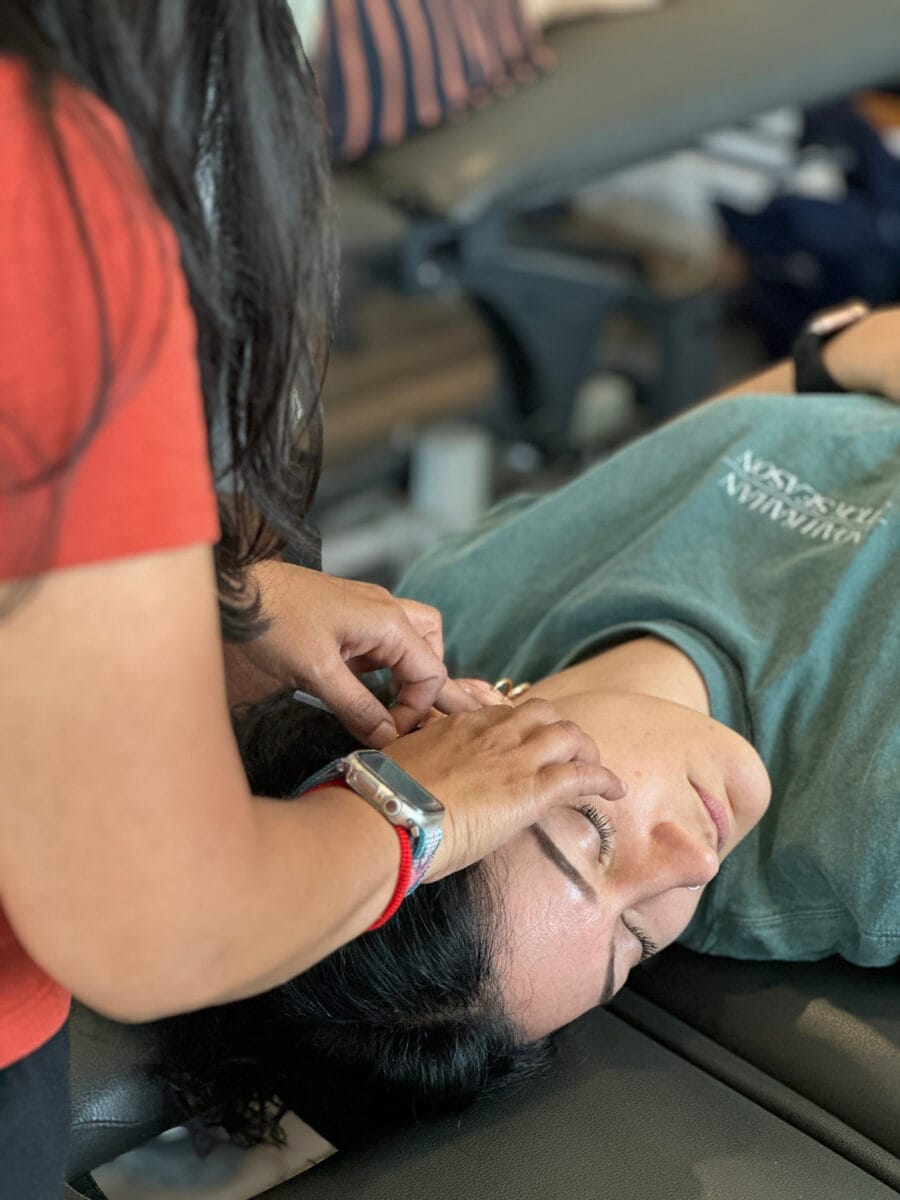
6. Dry Needling
This technique involves inserting thin needles into trigger points, which are areas of muscle tension or knots. Dry needling can help reduce pain and improve muscle function.
FAQs About Physiotherapy for Headaches and Migraines
Can physiotherapy really help with headaches and migraines?
Yes, physiotherapy in Etobicoke offers a holistic treatment plan that addresses the underlying musculoskeletal causes of headaches and migraines, providing relief and helping to prevent future episodes.
How many physiotherapy sessions will I need?
The number of sessions varies based on the severity of your condition and how well your body responds to treatment. Most patients start to notice significant improvements within 4-6 sessions, but a more personalized plan will be created during your assessment.
Do I need a doctor’s referral to see a physiotherapist?
In most cases, you do not need a doctor’s referral to start physiotherapy in Etobicoke for headaches or migraines. However, it’s always a good idea to check with your insurance company.
What can I expect during my first physiotherapy session?
During your initial visit, the physiotherapist will perform a comprehensive assessment, reviewing your medical history, posture, and muscle function. Based on the findings, a tailored treatment plan will be designed to target your specific symptoms.
Headaches and migraines are often a result of underlying musculoskeletal problems, poor posture, and stress. A holistic approach to physiotherapy in Etobicoke not only alleviates the symptoms but also addresses the root causes, offering long-term relief. By working with a trained physiotherapist, you can significantly reduce the frequency and intensity of your headaches and enjoy a higher quality of life.
If you’re tired of dealing with chronic headaches or migraines, consider physiotherapy in Etobicoke as a natural and effective solution to your pain. Reach out to a qualified physiotherapist to begin your journey toward better health and wellness today.
Deprecated: Creation of dynamic property Winner_Post_Class::$tags is deprecated in /home/trianglephysiotherapycom/public_html/wp-content/themes/winner/includes/objects/post-class.php on line 43

Spinal fusion surgery is a medical procedure used to permanently join two or more vertebrae in the spine, eliminating motion between them. The goal of the surgery is to reduce pain, correct deformities, or improve stability in the spine.
When would I need Spinal Fusion Surgery?
Spinal fusion surgery is typically recommended for various spine conditions, including:
- Degenerative disc disease: When the discs between vertebrae break down, causing pain.
- Spondylolisthesis: When one vertebra slips forward over the one below it.
- Spinal stenosis: Narrowing of the spinal canal, leading to nerve compression.
- Scoliosis: Abnormal curvature of the spine.
- Fractures: Vertebrae that are broken or dislocated.
- Tumors: Removal of tumors that affect spinal stability.
- Infections: Infections that have caused damage to the vertebrae.
When do I start physiotherapy after surgery?
The timing of when to start physiotherapy after spinal fusion surgery depends on several factors, including the specifics of the surgery, the patient’s overall health, and the surgeon’s recommendations.
What does post-surgery rehab involve?
Immediate Postoperative Period (0-6 Weeks)
- Initial Phase: Physiotherapy may start in the hospital within a day or two after surgery. The focus is on gentle movements and exercises to improve circulation and prevent complications.
- Activities:
- Breathing exercises to prevent lung complications.
- Gentle leg movements like ankle pumps to improve blood flow.
- Log rolling technique for safe movement in and out of bed.
- Short, frequent walks to promote circulation and reduce stiffness.
Early Rehabilitation Phase (6-12 Weeks)
- When: Typically, more structured physical therapy begins around 4 to 6 weeks after surgery, depending on the surgeon’s assessment.
- Goals: Gradually increase mobility, start gentle strengthening exercises, and improve functional movements.
- Activities:
- Range of motion exercises.
- Gentle strengthening exercises for the core and lower extremities.
- Walking programs to gradually increase distance and duration.
- Education on proper body mechanics and posture.
Late Rehabilitation Phase (3-6 Months)
- When: Around 3 months post-surgery, assuming there are no complications.
- Goals: Restore full function, enhance strength and endurance, and improve posture and body mechanics.
- Activities:
- More advanced strengthening exercises using resistance bands or light weights.
- Low-impact aerobic exercises like swimming or cycling.
- Balance and coordination exercises.
- Functional training for daily activities.
Long-Term Rehabilitation Phase (6-12 Months)
- When: After 6 months, the patient should continue with physiotherapy based on individual progress and goals.
- Goals: Achieve optimal strength, flexibility, and functional ability, and prevent recurrence of symptoms.
- Activities:
- Progressive resistance training.
- Gradual reintroduction of higher-impact activities, if appropriate.
- Sport-specific training for athletes.
- Ongoing education on maintaining spine health.
Key Points to Consider
- Surgeon’s Recommendations: Always follow the specific guidelines and timelines provided by the surgeon, as they know the details of the surgery and individual patient needs.
- Listen to Your Body: Avoid pushing through pain. Pain is a signal that something might be wrong, and it’s important to communicate any discomfort to the physiotherapist or surgeon.
- Individual Variation: Each patient’s recovery is unique. Factors such as age, overall health, and the complexity of the surgery will influence the timing and intensity of physiotherapy.
Starting physiotherapy at the right time is crucial for a successful recovery, and adhering to a structured rehabilitation program can significantly enhance outcomes after spinal fusion surgery.
Click here to book an appointment for post-surgery rehab with a physiotherapist at one of our eight locations.
- Physiotherapy Etobicoke – Triangle Physiotherapy Etobicoke
- Oakville Physiotherapy Clinic – Triangle Physiotherapy Oakville
- Physiotherapy North York – Triangle Physiotherapy North York
- Mississauga Physiotherapy Clinics – Triangle Physiotherapy Mississauga
- Downtown Physiotherapy Clinics – Triangle Physiotherapy King West
- Uptown Physiotherapy Clinics – Triangle Physiotherapy Lawrence Park
- Physiotherapy Clinic Downtown Toronto – Triangle Physiotherapy Queens Quay
- Physiotherapy Clinics Mississauga – Triangle Physiotherapy Erin Mills
General Information: The information provided on this blog is for general informational purposes only. While we strive to ensure the accuracy and relevance of our content, we make no guarantees about the completeness, reliability, or accuracy of the information.
Not Professional Advice: The content on this blog does not constitute professional advice. It is not a substitute for professional medical, legal, financial, or other professional advice. Always seek the guidance of a qualified professional with any questions you may have regarding your specific situation.
Recovering from spinal fusion surgery requires careful physiotherapy to restore mobility and strength. Whether you need physiotherapy in Etobicoke, Oakville, North York, Toronto, Lawrence Park, Queens Quay, Erin Mills, Mississauga, or Liberty Village, there are expert physiotherapists available to guide your recovery journey and help you regain your quality of life.
Deprecated: Creation of dynamic property Winner_Post_Class::$tags is deprecated in /home/trianglephysiotherapycom/public_html/wp-content/themes/winner/includes/objects/post-class.php on line 43

Hiking is a fantastic way to enjoy the great outdoors and stay fit, but it can also pose some risks. Whether you’re new to hiking or a seasoned backpacker, there are numerous factors to take into account before heading out on the trails. You need to evaluate your backpack’s weight, choose appropriate footwear, plan your food and hydration, check the weather, and map out your routes. Additionally, since hiking often takes you off the beaten path, it’s essential to take precautions against three common hiking injuries: knee pain, ankle sprains, and sore feet.
Is it necessary to warm up before hiking?

Yes, it is necessary to warm up before hiking. Warming up helps prepare your muscles and joints for physical activity, reducing the risk of injury. Here are some reasons why warming up is important before hiking:
Benefits of Warming Up Before Hiking
- Increases Blood Flow: A proper warm-up increases blood flow to your muscles, delivering oxygen and nutrients that help them perform better.
- Enhances Flexibility: Warming up loosens your muscles and increases your range of motion, making it easier to navigate uneven terrain.
- Reduces Injury Risk: Warm muscles are less prone to strains, sprains, and other injuries.
- Prepares Your Heart: Gradually increasing your heart rate helps prepare your cardiovascular system for the more strenuous activity of hiking.
- Improves Performance: A good warm-up can improve your overall performance, making your hike more enjoyable and less exhausting.
What are some effective warm up exercises to do before hiking?
Effective Warm-Up Exercises
- Walking or Light Jogging: Start with 5-10 minutes of brisk walking or light jogging to get your blood flowing.
- Dynamic Stretches: Perform dynamic stretches like leg swings, arm circles, and torso twists to loosen up your muscles and joints.
- Ankle Rotations: Rotate your ankles in circles to prepare them for the uneven terrain.
- Hip Circles: Rotate your hips to loosen the hip joints, which are crucial for hiking.
- Calf Raises: Perform calf raises to warm up your calves, which are heavily used during hiking.
Taking a few minutes to warm up before you start your hike can make a significant difference in your overall hiking experience and help prevent injuries.
What are the most common hiking injuries?
Some of the most common hiking injuries are:
- Knee Pain
- Ankle Sprain
- Foot Pain
Knee Pain when Hiking
Knee pain is a common issue among hikers, especially on longer or more challenging trails. Here’s a comprehensive approach to understanding, preventing, and managing knee pain when hiking:
Causes of Knee Pain While Hiking
- Overuse and Strain: Continuous stress on the knee joint from uphill climbs, downhill descents, or long sessions of hiking.
- Improper Biomechanics: Poor hiking technique, such as improper foot placement or stride, can strain the knee joint.
- Previous Injuries: Past knee injuries or conditions like arthritis can flare up during hiking.
- Improper Gear: Worn-out or inappropriate footwear lacking proper cushioning and support.
Ankle Sprain when Hiking
An ankle sprain can be a painful and frustrating injury, especially when hiking in rugged terrain. Here’s how to understand, prevent, and manage ankle sprains while hiking:
Causes of Ankle Sprains While Hiking
- Uneven Terrain: Stepping on uneven surfaces, rocks, or roots can twist or roll the ankle.
- Fatigue: Muscles that support the ankle can become tired, leading to less stability and increased risk of injury.
- Inadequate Footwear: Wearing shoes or boots without proper ankle support or that are worn out.
Foot Pain when Hiking
Foot pain while hiking can be uncomfortable and distracting. Here’s how to understand, prevent, and manage foot pain effectively:
Causes of Foot Pain While Hiking
- Improper Footwear: Shoes or boots that are too tight, loose, worn out, or lacking proper cushioning and support.
- Overuse or Strain: Prolonged walking or hiking, especially on challenging terrain, can strain the muscles and joints of the feet.
- Blisters: Friction from improperly fitting shoes or moisture buildup can lead to painful blisters.
If you get injured while hiking, consult one of our physiotherapists who can help you with treating the injuries as well as advise and educate you on prevention so you can enjoy your outdoor activities without pain and discomfort.
Click here to book an appointment with a physiotherapist at one of our eight locations.
- Physiotherapy Etobicoke – Triangle Physiotherapy Etobicoke
- Oakville Physiotherapy Clinic – Triangle Physiotherapy Oakville
- Physiotherapy North York – Triangle Physiotherapy North York
- Mississauga Physiotherapy Clinics – Triangle Physiotherapy Mississauga
- Downtown Physiotherapy Clinics – Triangle Physiotherapy King West
- Uptown Physiotherapy Clinics – Triangle Physiotherapy Lawrence Park
- Physiotherapy Clinic Downtown Toronto – Triangle Physiotherapy Queens Quay
- Physiotherapy Clinics Mississauga – Triangle Physiotherapy Erin Mills