
Deprecated: Creation of dynamic property Winner_Post_Class::$tags is deprecated in /home/trianglephysiotherapycom/public_html/wp-content/themes/winner/includes/objects/post-class.php on line 43
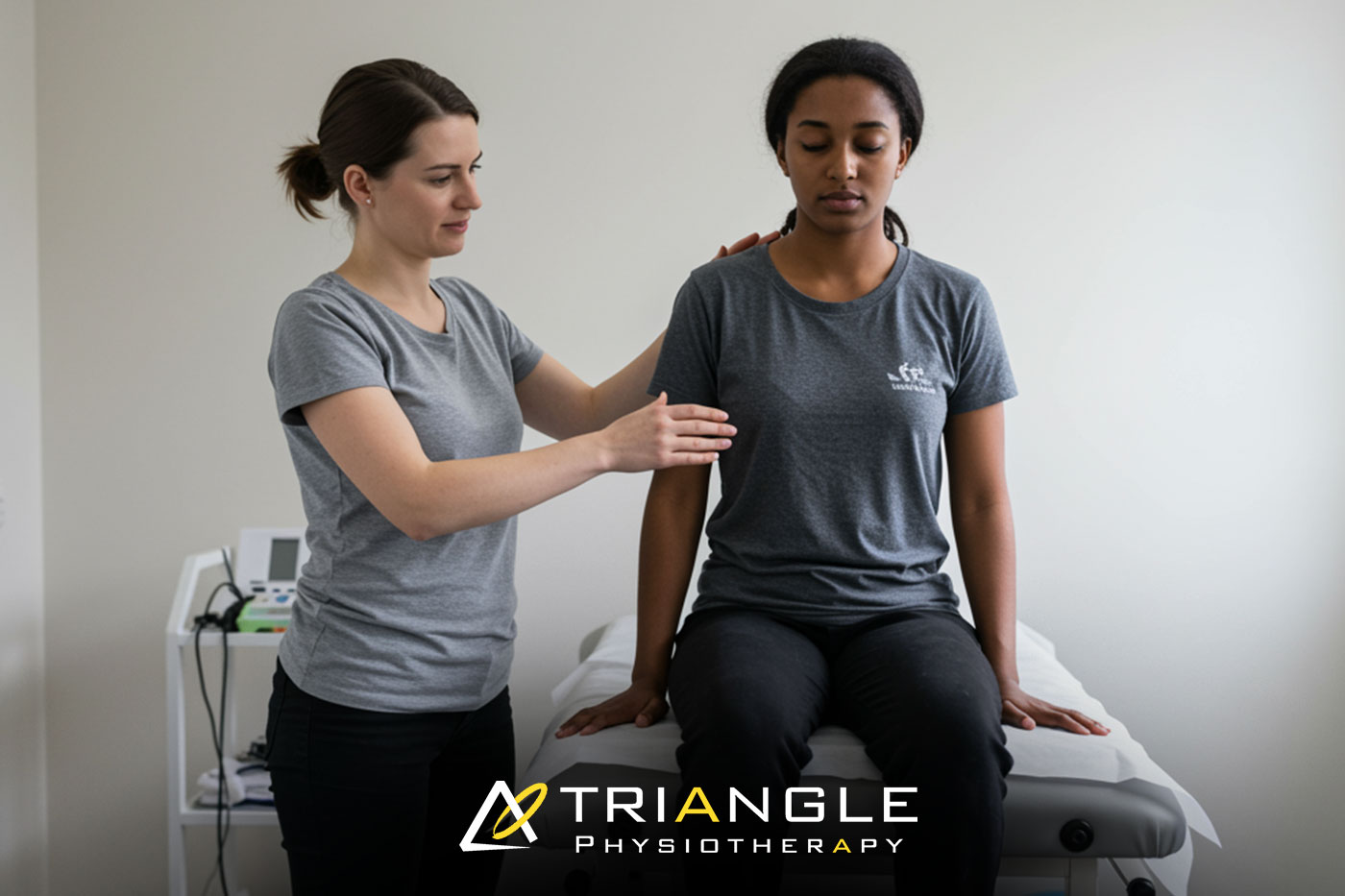
At Triangle Physiotherapy, we believe healing is never just physical. For refugees and newcomers, pain can go far deeper than the body – especially when it’s rooted in experiences of war, displacement, and trauma.
Many individuals who arrive in Canada as refugees carry visible and invisible wounds. Whether it’s pain from injuries sustained during migration or chronic tension from emotional trauma, physiotherapy can play a powerful role in rebuilding their lives – one step, one breath, and one movement at a time.
The Body Remembers What the Mind Tries to Forget
Trauma doesn’t just live in the mind – it often settles in the body. Prolonged stress and survival experiences can lead to:
- Chronic muscle tension
- Unexplained aches and fatigue
- Restricted movement or posture changes
- Breathing issues or shallow breath patterns
At Triangle Physiotherapy, our team understands that for refugees, these symptoms may not stem from a recent fall or strain – but from a much longer story.
How We Support Trauma Recovery Through Physiotherapy
1. Safe, Respectful Care
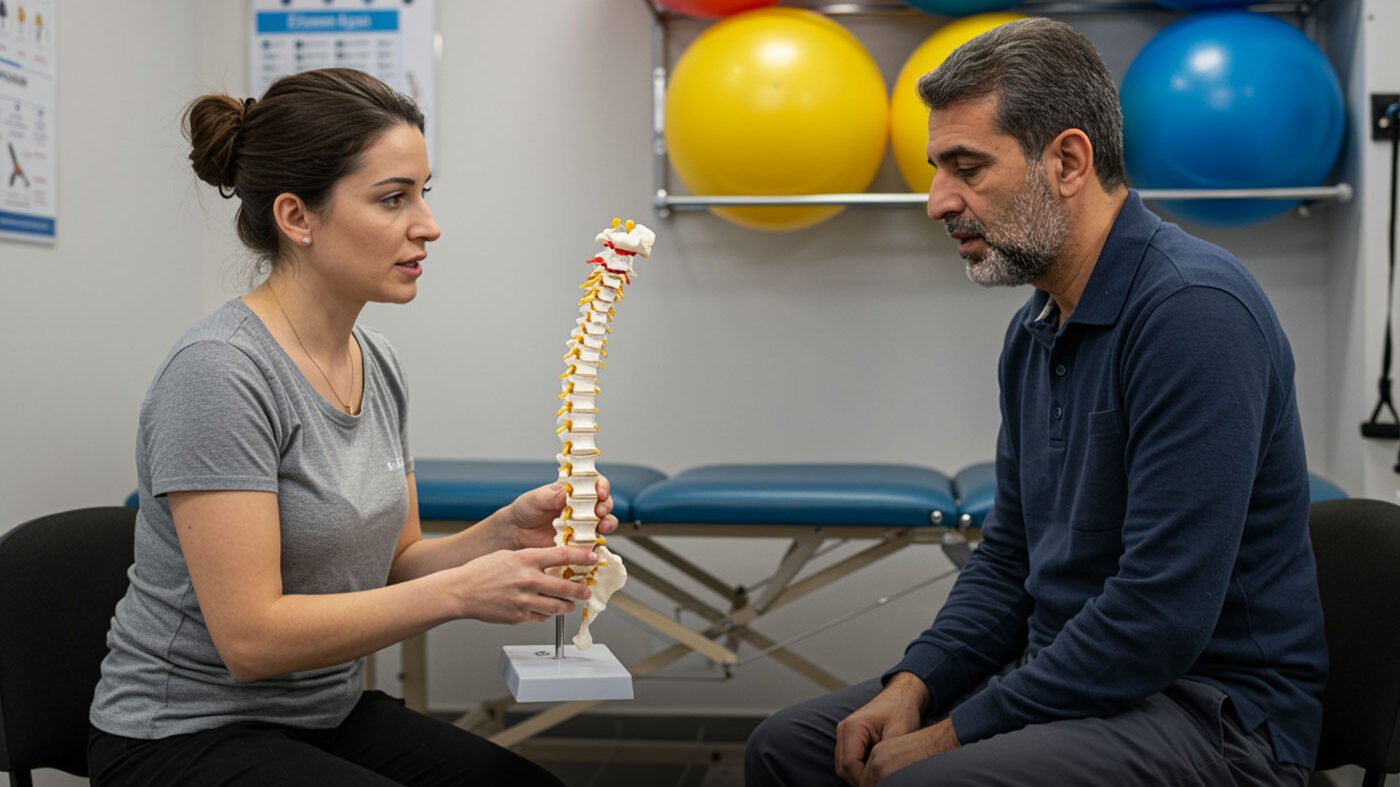
We begin by building trust. Many refugees come from environments where healthcare wasn’t always safe or accessible. Our physiotherapists take the time to understand each individual’s comfort level, cultural background, and story – without rushing or judgment.
2. Gentle, Personalized Treatment
For trauma survivors, even touch or certain movements can be triggering. That’s why we focus on gentle techniques like:
- Breathing and relaxation exercises
- Gentle manual therapy
- Gradual strength and mobility work
- Pelvic floor support (especially for survivors of gender-based violence)
Each care plan is built around the patient’s needs, comfort, and readiness – never a “one-size-fits-all” approach.
3. Addressing Emotional Pain Through Movement
Movement is more than exercise – it’s a way to reconnect with the body and feel safe in it again. We’ve seen patients grow in confidence, sleep better, and experience reduced anxiety simply by learning to breathe deeply, stand taller, and move without fear.
When paired with mental health support, physiotherapy can be a powerful part of holistic trauma recovery.
Affordable & Accessible Care for Refugees
We’re committed to ensuring that cost is not a barrier. Triangle Physiotherapy works with community organizations, public health programs, and extended insurance (when available) to support newcomers and refugees in accessing affordable physiotherapy care.
Healing Starts with One Small Step
We know recovery from trauma isn’t quick – but with the right care, it is possible. At Triangle, we’re honoured to walk alongside newcomers and refugees as they heal, strengthen, and rediscover what their bodies can do.
If you or someone you know is a refugee experiencing physical or emotional pain, reach out. We’re here to help. Book a consultation today and take the first step toward healing.
Deprecated: Creation of dynamic property Winner_Post_Class::$tags is deprecated in /home/trianglephysiotherapycom/public_html/wp-content/themes/winner/includes/objects/post-class.php on line 43
Starting life over in a new country is no small feat. For many refugees in Ontario, one of the biggest challenges isn’t just finding shelter or work – it’s accessing healthcare they can actually understand and trust. At Triangle Physiotherapy, we recognize that healing is about more than just the body. It begins with feeling seen, heard, and supported – especially when language stands in the way.
That’s why we are committed to offering language accessible physiotherapy services at all our clinics, making it easier for newcomers and refugees to take that first step toward recovery.
Why Clear Communication Is Essential to Care
When someone is already dealing with physical pain, emotional stress, and the pressures of resettlement, being able to communicate with their healthcare provider shouldn’t be another hurdle. Misunderstandings can delay healing, increase anxiety, and even cause patients to avoid treatment altogether.
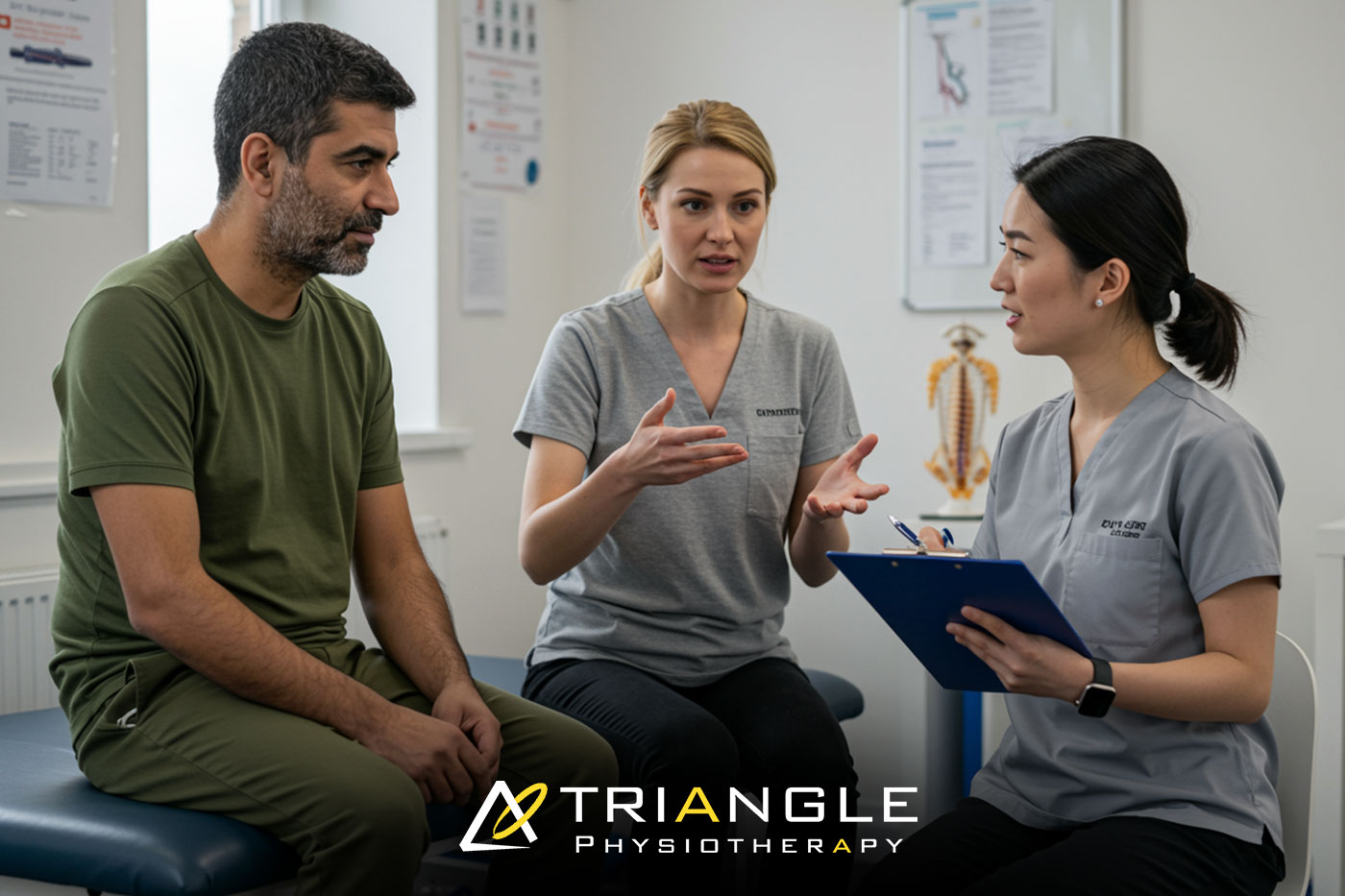
At Triangle Physiotherapy, we prioritize clear, respectful communication by using simple, plain language, visual tools, and interpreters when needed. Our goal is to ensure that every person we work with understands their treatment, feels comfortable asking questions, and feels empowered to participate in their own recovery.
How We Make Physiotherapy More Inclusive

Our approach is rooted in compassion, cultural sensitivity, and accessibility. Here’s how we’re making physiotherapy more welcoming for refugees and newcomers in Ontario:
- Support in multiple languages through our multilingual staff
- Interpreter support where needed and available to ensure clear understanding
- Demonstration-based guidance and visual aids for better clarity
- Personalized, simplified treatment explanations based on each patient’s background and comfort level
- A respectful, welcoming environment that values diversity and lived experience
We’re not just treating injuries – we’re rebuilding confidence, restoring independence, and supporting people on their journey toward feeling at home again.
Financial Accessibility with IFHP Coverage
We understand that affordability is often a barrier to care, especially for those starting from scratch. Triangle Physiotherapy proudly accepts IFHP (Interim Federal Health Program) coverage for eligible refugees, offering peace of mind and access to quality care without the financial stress.
Healing That Goes Beyond the Physical
Many newcomers come to us carrying more than physical pain. There’s the weight of loss, displacement, and uncertainty. That’s why our team takes a whole-person approach, supporting emotional wellbeing alongside physical recovery. Whether it’s helping someone regain mobility or simply making them feel safe in a new space, our work goes far beyond rehab – it’s about restoring hope and strength, one step at a time.
Let’s Build a Bridge to Better Health – Together
If you or someone you know is a refugee or newcomer in Ontario looking for accessible physiotherapy, we’re here to help.
At Triangle Physiotherapy, we don’t just speak your language – we listen with care, adapt with compassion, and treat with purpose.
Your recovery deserves to be understood. Let’s make it happen.
Deprecated: Creation of dynamic property Winner_Post_Class::$tags is deprecated in /home/trianglephysiotherapycom/public_html/wp-content/themes/winner/includes/objects/post-class.php on line 43

The ulnar nerve runs from your neck, through your shoulder and elbow, and down into your hand. It’s responsible for sensation in your ring and pinky fingers and plays a key role in fine motor control.
When the nerve becomes compressed-especially around the elbow (in the cubital tunnel)-you may experience:
- Tingling or numbness in the ring and pinky fingers
- Weak grip strength
- Clumsiness when handling small objects
- Elbow pain that worsens when the arm is bent
This condition is called ulnar nerve entrapment, and it’s more common than you might think-especially in athletes, desk workers, and people with repetitive arm motions.
How Ulnar Nerve Therapy Helps
If you’re dealing with symptoms, don’t wait for them to go away on their own. At Triangle Physiotherapy, our team offers targeted, evidence-based ulnar nerve therapy to reduce pressure, improve mobility, and prevent long-term damage.
Here’s what your recovery journey might look like:
1. Assessment & Diagnosis
Your physiotherapist will evaluate your symptoms, movement patterns, posture, and arm function to pinpoint where the nerve is being compressed. This helps rule out other conditions like cervical spine issues or carpal tunnel syndrome.
2. Pain Relief & Protection
In the early stages, we focus on reducing inflammation and minimizing irritation:
- Activity modification (especially avoiding prolonged elbow flexion)
- Ergonomic advice for work and sleep positions
- Gentle modalities to calm irritated tissue
3. Ulnar Nerve Glides
One of the most powerful tools in your recovery toolbox? Ulnar nerve glides.
These are gentle, controlled movements that “floss” the nerve through its pathway-freeing it from areas of compression and restoring its mobility. You’ll learn how to perform them safely and effectively as part of your rehab program.
Bonus: These glides also improve circulation to the nerve, which can accelerate healing and reduce symptoms.
4. Strengthening & Mobility Work
As symptoms improve, your therapist will guide you through a tailored strengthening program to stabilize your shoulder, elbow, and wrist. This may include:
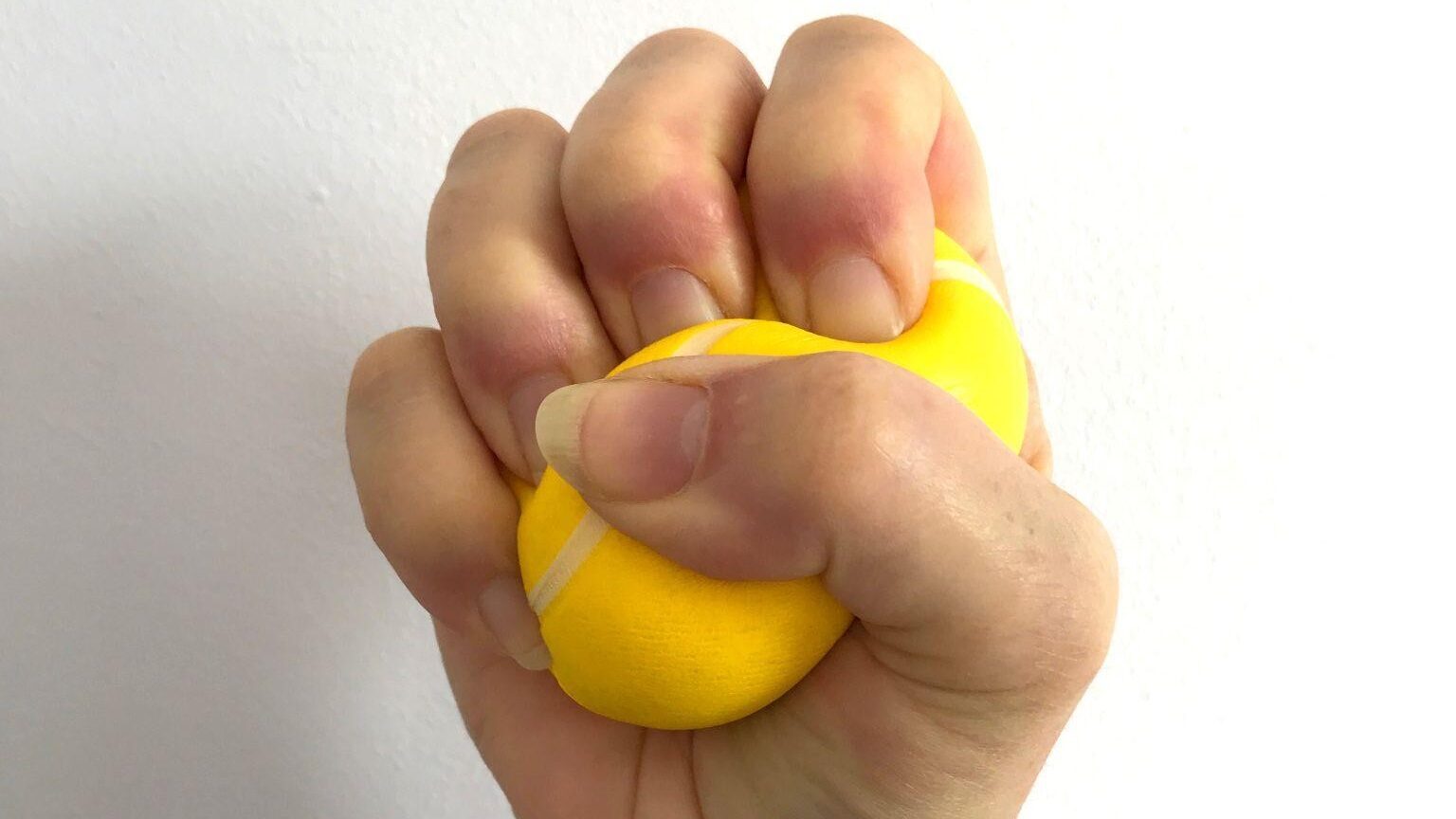
- Grip strengthening
- Postural retraining
- Core and scapular stabilization
- Stretching tight structures that may be contributing to compression
5. Return to Sport or Daily Activity
Whether you’re swinging a tennis racket, lifting weights, or typing for hours a day, we’ll help you safely return to your routine with confidence. We focus on:
- Rebuilding endurance
- Optimizing technique
- Preventing re-irritation
Where to Find Expert Ulnar Nerve Therapy in the GTA
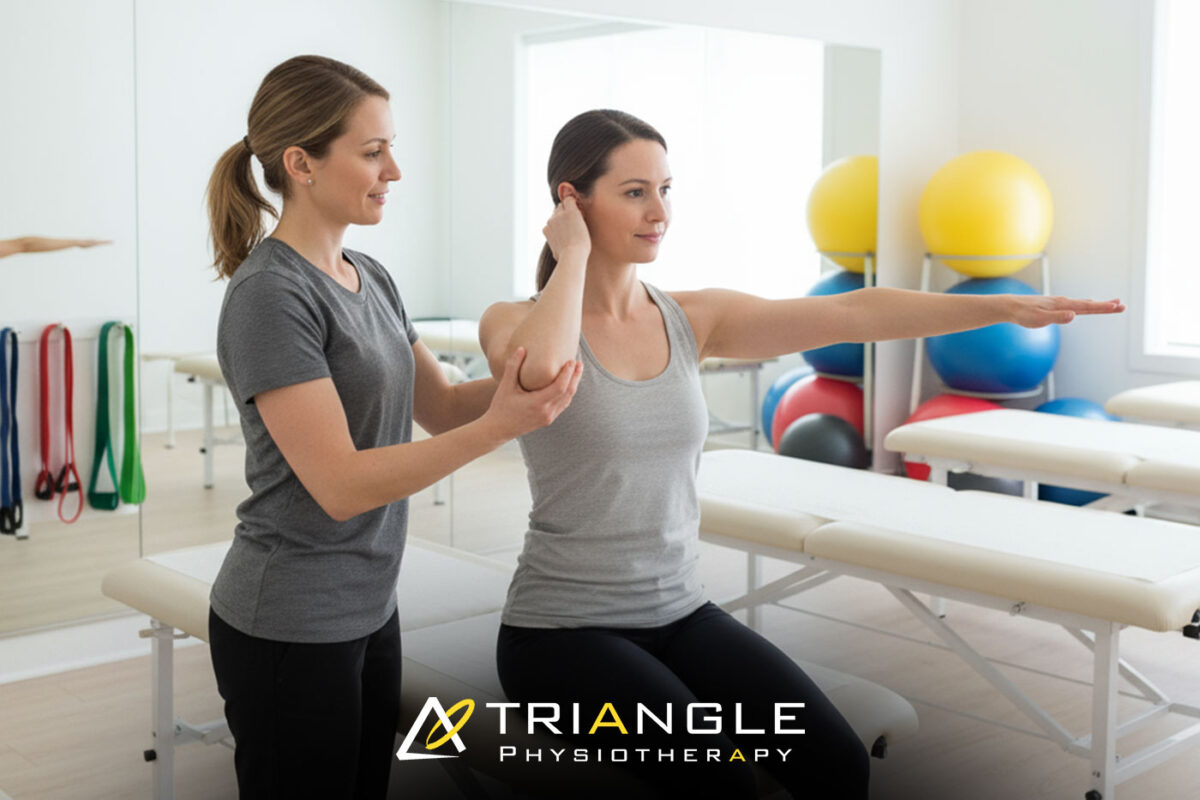
Looking for physiotherapy in North York, Oakville, or Etobicoke? Triangle Physiotherapy has you covered.
Our experienced team offers hands-on treatment and personalized care to address ulnar nerve entrapment and get you back to doing what you love-pain-free and stronger than before.
How to Prevent Ulnar Nerve Issues Long-Term
- Avoid prolonged elbow flexion (especially during sleep)
- Keep good posture during desk work
- Strengthen your upper body to support your arms
- Perform ulnar nerve glides as recommended
- Listen to early signs-don’t ignore the tingling!
Ready to Take the Pressure Off?
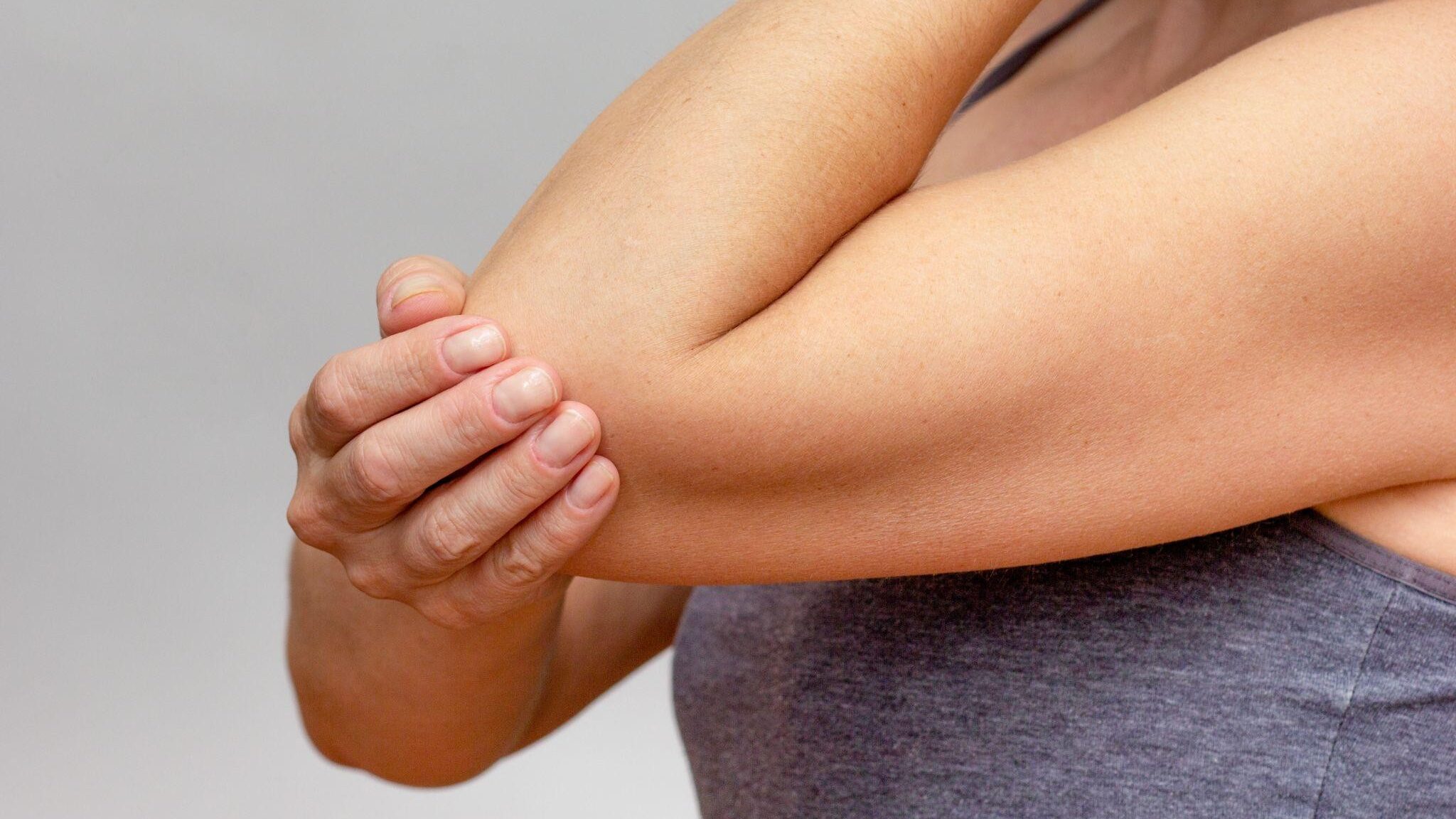
You don’t have to live with tingling hands, weak grip, or elbow pain. Whether you’re an athlete, a weekend warrior, or a dedicated desk worker, ulnar nerve therapy can make a life-changing difference.
Book your appointment today at Triangle Physiotherapy-serving patients across Etobicoke, North York, Oakville, and the Greater Toronto Area.
Let’s get your nerves firing on all cylinders again-no numbness, no limits.
Deprecated: Creation of dynamic property Winner_Post_Class::$tags is deprecated in /home/trianglephysiotherapycom/public_html/wp-content/themes/winner/includes/objects/post-class.php on line 43

Let’s face it – most of us spend hours a day at a desk, hunched over a keyboard, scrolling a mouse, or cradling a phone. While it might seem harmless, poor workstation habits can lead to a not-so-fun condition called ulnar nerve entrapment – especially if you’re constantly leaning on your elbows or keeping them bent for long periods.
That annoying tingling or numbness in your pinky and ring finger? It could be your ulnar nerve crying out for help. But the good news is, you can absolutely prevent it – and it starts with better ergonomics.
At Triangle Physiotherapy (with locations in Etobicoke, North York, Oakville and more), we often treat professionals dealing with ulnar nerve compression. Whether you’re working from home or in an office, these ergonomic tips can help you keep your nerves (literally) in check.
1. Mind Your Elbows
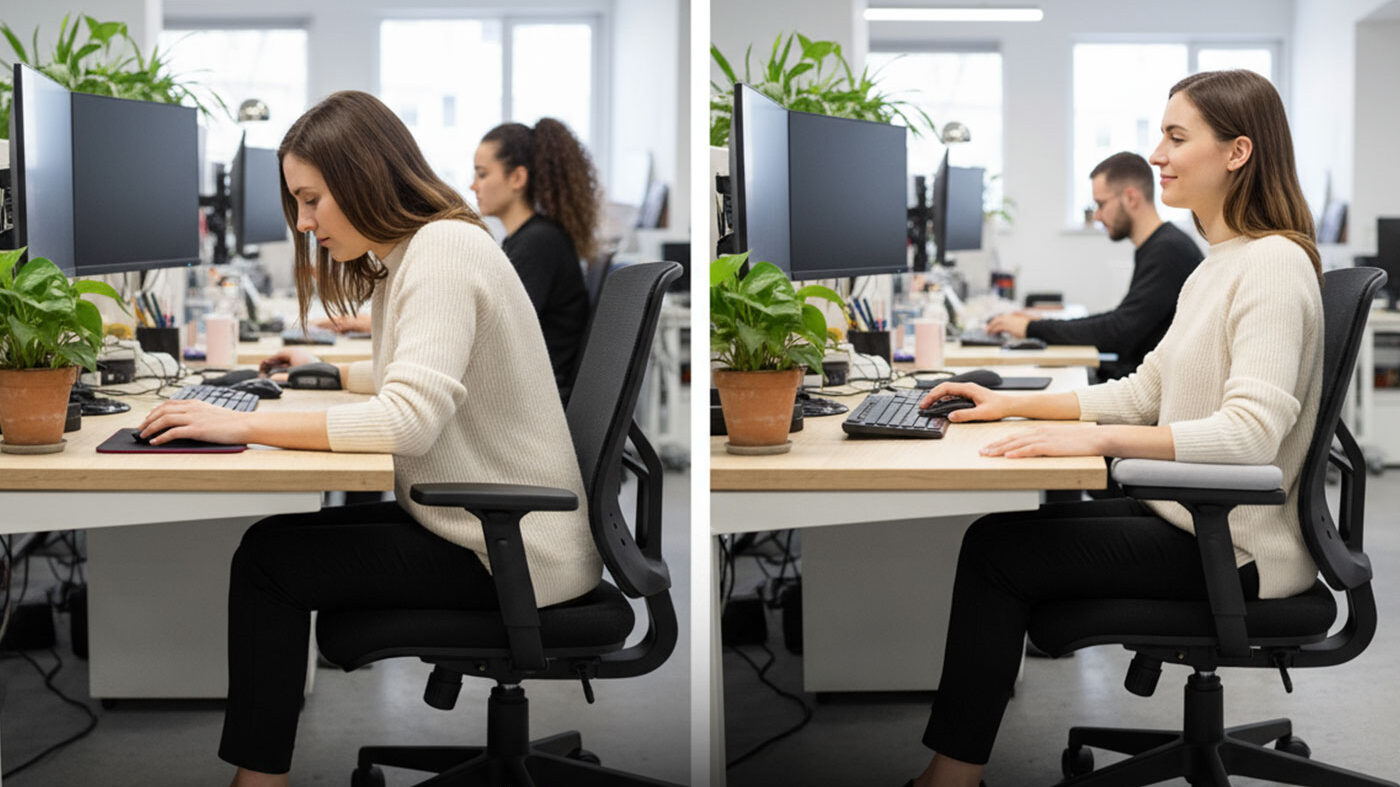
One of the biggest culprits in ulnar nerve entrapment is resting your elbows on hard surfaces. Doing this for hours can compress the nerve at the cubital tunnel (inside of your elbow).
Fix it:
- Use padded armrests or a soft desk cushion
- Keep your elbows slightly extended and relaxed at your sides – not jammed up on the desk
- Avoid sitting with your elbows bent past 90 degrees for long stretches
2. Adjust Your Desk & Chair Setup
Your workstation should work with your body, not against it.
Checklist:
- Chair height: Feet flat, hip and knees at 90°
- Keyboard position: Keep it close so your elbows aren’t overstretched or jammed in
- Mouse placement: Avoid reaching – keep it beside the keyboard
- Armrests: Support your forearms without pressing into your elbow
3. Switch Up Your Position Frequently
Static positions = tight muscles = unhappy nerves. Changing your posture helps keep everything moving – including your nerves.
Try this:
- Stand up every 30–60 minutes
- Alternate mouse hands occasionally
- Movement = prevention. It’s that simple
4. Incorporate Ulnar Nerve Glides into Your Day
Even with good ergonomics, nerves can get a little “stuck.” That’s where ulnar nerve glides come in. These gentle, controlled movements help the nerve move more freely through tight areas – kind of like flossing, but for your nerves.
Just a few reps a day can help prevent irritation and improve mobility. If you’re unsure how to do them, a session of ulnar nerve physiotherapy with our team can get you started safely.
5. Don’t Sleep on It – Literally
Many people sleep with their arm bent under their head or body, unknowingly compressing the ulnar nerve for hours.
Solution:
- Try sleeping with your arm straight by your side
- Use a pillow or brace to prevent excessive bending at night
When in Doubt, See a Pro
Even with the best desk setup, sometimes the pain, tingling, or numbness persists. That’s your sign to see a physiotherapist. At Triangle Physiotherapy, our experts in Etobicoke, North York, Oakville and more use hands-on treatment, nerve gliding techniques, and custom exercises to get your ulnar nerve back on track.
Struggling with ulnar nerve symptoms?
Don’t wait for it to get worse. Book a consultation with our team and get back to comfortable workdays.

Deprecated: Creation of dynamic property Winner_Post_Class::$tags is deprecated in /home/trianglephysiotherapycom/public_html/wp-content/themes/winner/includes/objects/post-class.php on line 43

If you’ve ever felt a weird tingling, numbness, or weakness in your ring and pinky fingers – especially after a long day at your desk – you might be dealing with something called ulnar nerve entrapment.
This happens when the ulnar nerve, which runs from your neck down to your hand, gets compressed – usually around the elbow (think: leaning on your desk too much) or wrist. Over time, this can lead to discomfort, weakness, or even coordination issues in your hand.
The good news? You don’t need a gym or fancy equipment to get relief. These ulnar nerve entrapment exercises are quick, easy, and can be done right from your desk chair. At Triangle Physiotherapy (with clinics in Mississauga, Etobicoke, and North York), we recommend these as part of early treatment and prevention strategies.
1. Ulnar Nerve Glide (“The Waiter Stretch”)
This is one of the most effective exercises for gently mobilizing the ulnar nerve. Think of it like flossing for your nerve – helping it move more freely through tight spots.
How to do it:
- Sit up straight in your chair
- Bring one arm out to the side, palm up, as if holding a tray
- Slowly bend your elbow and bring your hand toward your face
- Then reverse the motion, extending the arm again
- Repeat 10 times per side
Tip: You should feel a gentle stretch or tingling – not pain. If it’s too intense, shorten the range of motion.
2. Elbow & Wrist Stretch
If your job involves typing or using a mouse all day, this combo stretch hits two major tight areas – your inner elbow and forearm.
How to do it:
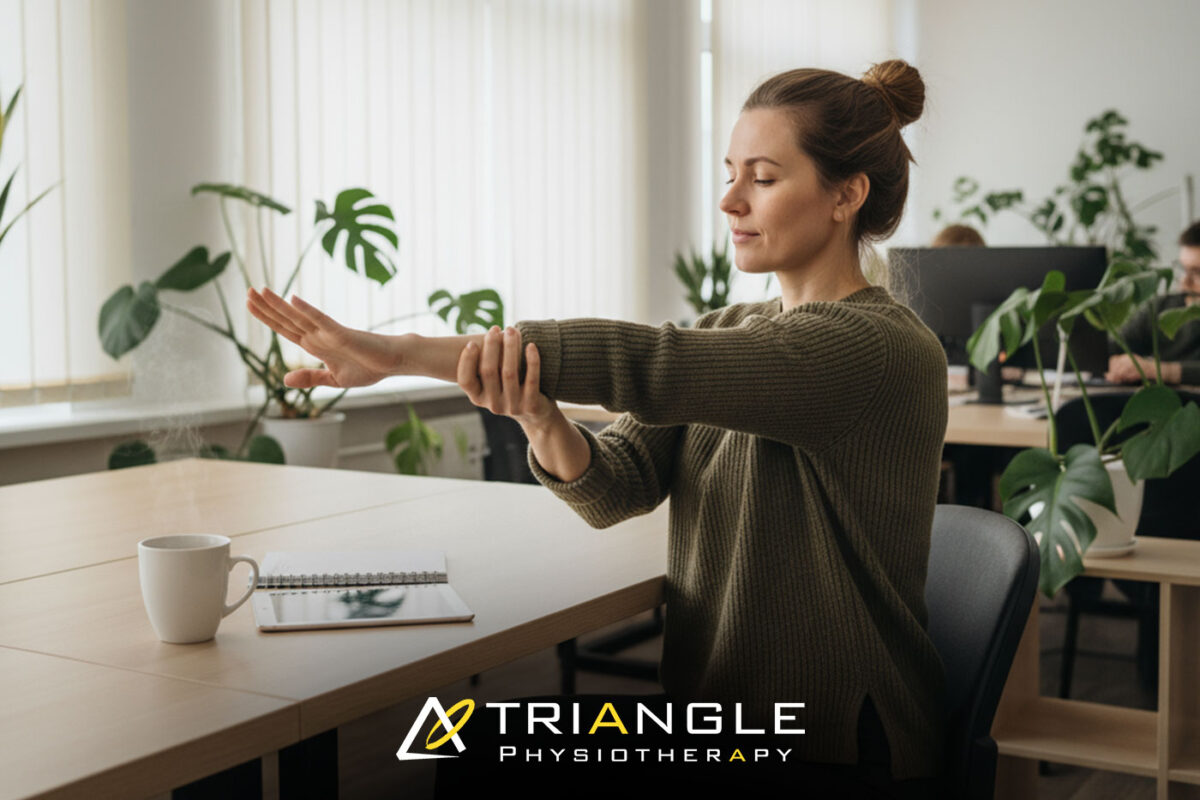
- Extend your arm out in front of you, palm facing up
- Use your other hand to gently pull your fingers back toward the floor
- You’ll feel the stretch in your forearm and possibly your elbow
- Hold for 15-20 seconds, then switch sides
- Repeat 3-4 times per arm
Bonus: This also helps with general wrist and forearm tightness caused by desk work.
3. Desk Shoulder Rolls & Posture Reset
This may seem too simple, but it’s surprisingly effective. Poor posture can cause or worsen ulnar nerve issues by increasing pressure through the neck and shoulder area.
How to do it:
- Sit tall, feet flat, shoulders relaxed
- Slowly roll your shoulders backward in a circular motion 10 times
- Then, pull your shoulder blades together (like you’re pinching a pencil between them)
- Hold for 5 seconds, release, and repeat 10 times
Why it works: Better posture opens up the space where nerves travel, reducing compression at the source.
When to Seek Help
If symptoms continue, like persistent tingling, numbness, or weakness, don’t wait. Professional physiotherapy for ulnar nerve compression can make a world of difference. At Triangle Physiotherapy, our team in Mississauga, Etobicoke, North York and more creates personalized treatment plans combining manual therapy, nerve gliding, strengthening, and posture correction.
Take 5 Minutes for Your Nerves Today.
Your body (and your fingers) will thank you.
Book your appointment with us today at uat.trianglephysiotherapy.com
Deprecated: Creation of dynamic property Winner_Post_Class::$tags is deprecated in /home/trianglephysiotherapycom/public_html/wp-content/themes/winner/includes/objects/post-class.php on line 43
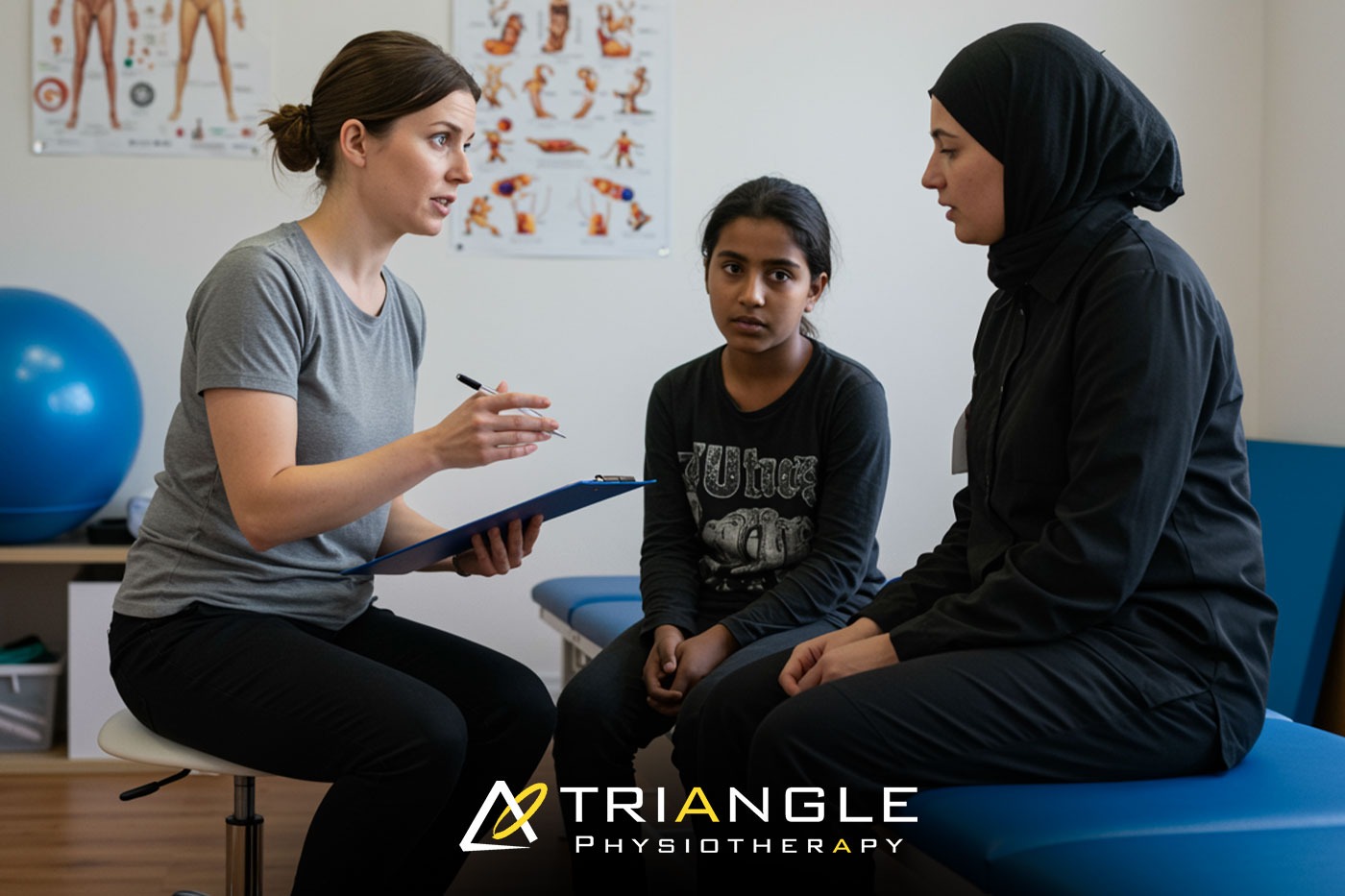
At Triangle Physiotherapy, we understand that rebuilding life in a new country takes more than a fresh start – it takes support, care, and community. For refugees and newcomers, the journey to resettlement often involves physical and emotional healing, especially for those who have faced trauma, long periods of uncertainty, or limited access to healthcare.
This is where local physiotherapy clinics like ours step in – not just as care providers, but as partners in recovery and reintegration.
Beyond Injury: Physiotherapy for Everyday Resilience
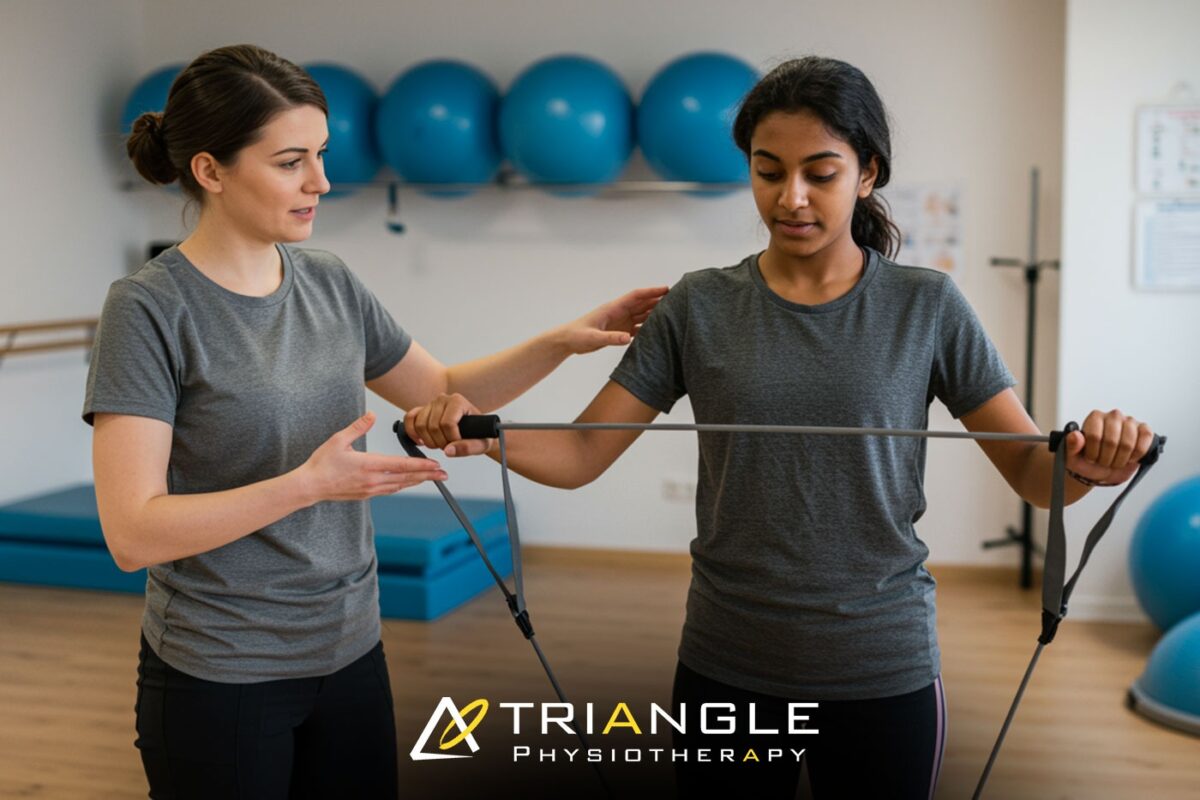
Physiotherapy plays a vital role in helping newcomers address a wide range of physical challenges, including:
- Chronic pain or old injuries
- Joint stiffness and muscle weakness from prolonged travel or hardship
- Stress-related tension
- Recovery from trauma-related physical limitations
- Rebuilding mobility and strength for daily life
At Triangle, we design treatment plans that aren’t just about recovery – they’re about restoring confidence, comfort, and independence.
Culturally-Aware, Compassionate Care
Healthcare can feel overwhelming in a new country, especially when navigating language barriers, unfamiliar systems, and past trauma. That’s why our team offers a warm, inclusive environment with culturally-sensitive care that respects each patient’s background and story.
We take the time to explain each step of the process, work with interpreters when needed, and tailor care to individual lifestyles and goals.
Flexible and Accessible for Newcomers
We recognize that newcomers are often balancing multiple priorities – resettlement paperwork, finding work, caring for family – all while adjusting to life in Canada. Our goal is to make care as accessible as possible.
Triangle Physiotherapy proudly accepts IFHP (Interim Federal Health Program) coverage for eligible patients. Through this program, many refugees and asylum seekers can receive physiotherapy services at minimal or no out-of-pocket cost. It’s one of the ways we ensure care remains within reach during a critical transition period.
More Than Physical Healing
Our role goes beyond exercises and treatments. We help individuals return to daily activities, regain function, and improve their quality of life – whether that means walking comfortably, managing pain, or building strength to return to work.
We also collaborate with other community resources when needed, ensuring newcomers receive support in all aspects of their resettlement journey.
Your Health, Your New Start
At Triangle Physiotherapy, we’re proud to be a part of the recovery journey for many newcomers. With personalized care, IFHP coverage, and a deep understanding of the challenges faced during resettlement, we’re here to help patients heal – physically and emotionally.
If you or someone you know could benefit from physiotherapy, reach out to Triangle Physiotherapy today. We’re here to help you take that next step forward – with care that understands your journey.
Deprecated: Creation of dynamic property Winner_Post_Class::$tags is deprecated in /home/trianglephysiotherapycom/public_html/wp-content/themes/winner/includes/objects/post-class.php on line 43

Athletes push their bodies hard – every sprint, every rep, every game. But sometimes, the most challenging injuries are the ones you don’t see coming. Hairline fractures – also called stress fractures – can creep in quietly and sideline even the most elite performers.
If you’re searching for sports physiotherapy near me after a stress injury, or want to prevent future setbacks, this guide is for you.
At Triangle Physiotherapy, we understand the athlete’s mindset – and we’re here to get you back in the game, stronger than before.
What Is a Hairline Fracture?
Hairline fractures are tiny cracks in the bone, often caused by repetitive stress rather than a single traumatic event. They commonly affect:
- Runners (shins, feet)
- Basketball or soccer players (lower legs, hips)
- Gymnasts or dancers (feet, spine)
Unlike acute injuries, stress fractures develop over time – especially when there’s overtraining, poor biomechanics, or inadequate recovery.
Common Signs of a Stress Fracture in Athletes
- Localized pain that worsens with activity
- Pain that subsides with rest but returns with exertion
- Swelling or tenderness at a specific site
- In some cases, minor bruising
If you’re brushing off a nagging pain thinking it’s “just soreness,” stop. Early intervention is key.
The Role of Physiotherapy in Hairline Fracture Recovery
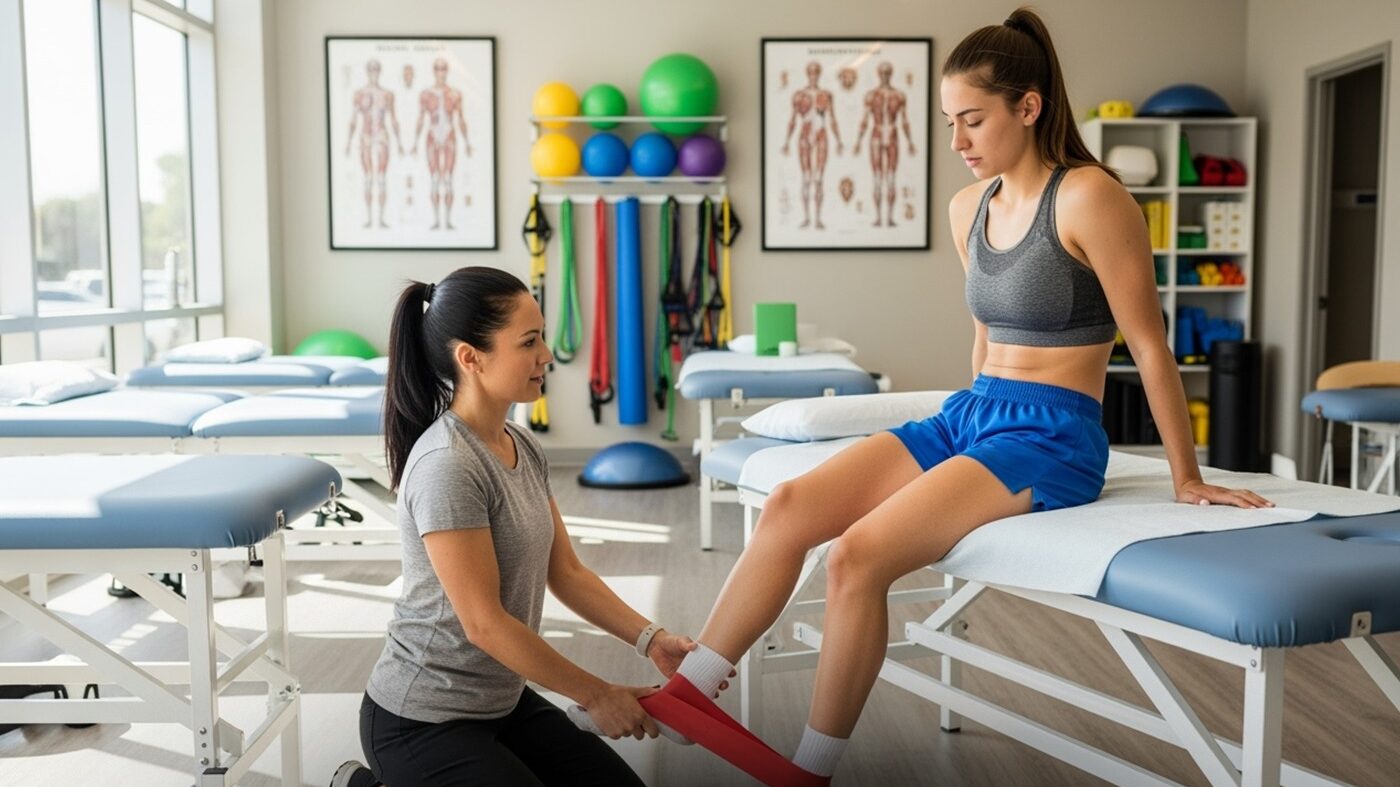
At Triangle Physiotherapy, our sports rehab specialists build a plan that supports bone healing, protects your performance, and prevents re-injury.
Here’s how we approach it:
1. Acute Phase: Protect + Heal
2. Rehabilitation Phase: Rebuild + Strengthen
3.Return-to-Sport Phase: Retrain + Prevent
Education on training volume, rest cycles, and warning signs
We believe in graduated return-to-play protocols, so you don’t bounce back too fast—and end up right back on the bench.
How to Prevent Hairline Fractures in Sports
Prevention isn’t about holding back – it’s about training smarter. Here’s how:
● Avoid sudden spikes in training volume/intensity
● Cross-train to reduce repetitive stress
● Warm up properly and stretch regularly
● Fuel your body with a balanced diet
● Get regular check-ins with a sports physiotherapist in Toronto (hi, that’s us!)
Ready to Get Back in the Game?
Being sidelined can be frustrating – but it’s also an opportunity. With the right guidance, your comeback can be stronger than your setback.
Whether you’re a weekend warrior or a competitive athlete, our team at Triangle Physiotherapy offers expert physiotherapy for hairline fractures and stress injury rehab that puts your long-term health first.
Serving athletes across the GTA | ⚕️Triangle Physiotherapy Toronto 📞 Book an appointment with the best physiotherapist in Toronto today and let’s rebuild your game – one smart step at a time. 💪
Deprecated: Creation of dynamic property Winner_Post_Class::$tags is deprecated in /home/trianglephysiotherapycom/public_html/wp-content/themes/winner/includes/objects/post-class.php on line 43

At Triangle Physiotherapy, we believe that knowledge is the first step toward recovery. One condition that we often see in our clinic is ulnar nerve entrapment. This condition, while common, is often misunderstood. In this blog, we’ll explain what ulnar nerve entrapment is, how it happens, and how physiotherapy can help.
What is Ulnar Nerve Entrapment?
The ulnar nerve is one of the main nerves in your arm, running from your neck down to your hand. It controls the muscles in your forearm and hand, including those responsible for fine motor skills. Ulnar nerve entrapment occurs when this nerve becomes compressed or irritated, typically at the elbow or wrist, leading to pain, numbness, or weakness in the hand and fingers.
This condition is sometimes referred to as “cubital tunnel syndrome” when it happens at the elbow, or “Guyon’s canal syndrome” when it occurs at the wrist. It’s important to address this problem promptly because if left untreated, it can lead to long-term nerve damage and functional impairment.
Causes of Ulnar Nerve Entrapment
Ulnar nerve entrapment can result from various factors, including:
- Repetitive motion: Activities that require repetitive arm movements, like typing, playing certain sports (e.g., tennis or golf), or assembly-line work, can put pressure on the ulnar nerve.
- Prolonged elbow flexion: When your elbow stays bent for long periods, such as when sleeping with your arm in a bent position, it can increase pressure on the ulnar nerve at the cubital tunnel.
- Direct trauma: A blow to the elbow or wrist can cause swelling or scar tissue that compresses the nerve.
- Anatomical issues: Some people are born with anatomical variations that make them more susceptible to ulnar nerve entrapment.
Symptoms of Ulnar Nerve Entrapment
The symptoms of ulnar nerve entrapment vary depending on the severity of the compression but commonly include:
- Numbness or tingling: You may feel a sensation of “pins and needles” in your ring and pinky fingers, especially when bending the elbow.
- Weakness: The muscles in your hand or forearm may feel weak, making it hard to grip or perform tasks that require fine motor skills, such as typing or buttoning a shirt.
- Pain: Sharp or aching pain may radiate from the elbow down to the hand, particularly when leaning on the elbow or holding the arm in a fixed position.
Treatment for Ulnar Nerve Entrapment
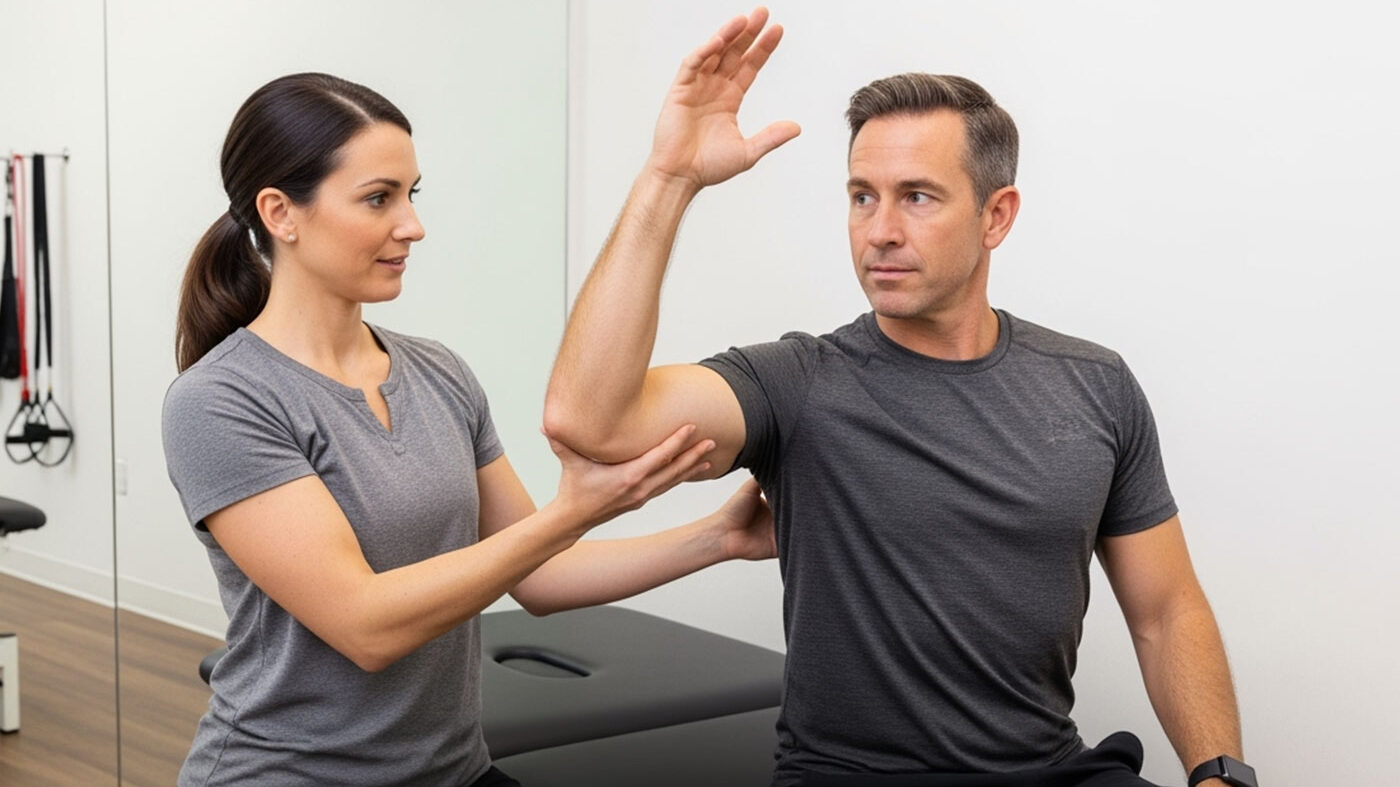
At Triangle Physiotherapy, our goal is to help you recover from ulnar nerve entrapment in a safe, effective, and non-invasive manner. Physiotherapy treatment often includes:
- Manual Therapy: Hands-on techniques to relieve tension, improve mobility, and reduce pressure on the ulnar nerve.
- Strengthening Exercises: A program designed to strengthen the muscles in the forearm and hand to help improve nerve function and prevent further injury.
- Stretching and Nerve Gliding Exercises: These exercises gently mobilize the ulnar nerve, helping to reduce tightness and improve circulation around the nerve.
- Ergonomic Advice: We provide recommendations on how to adjust your posture, workstation, or activity patterns to reduce stress on the elbow and wrist.
- IMS: Intramuscular stimulation not only helps you get rid of the symptomatic pain but also helps you trace the root cause of the problem. The results are golden.
In more severe cases, if conservative treatments like physiotherapy don’t bring relief, we may refer you to a specialist for further evaluation or suggest alternative treatments like injections or surgery.
Preventing Ulnar Nerve Entrapment
Prevention is always better than cure. Some simple tips to avoid ulnar nerve entrapment include:
- Taking breaks from repetitive activities
- Avoiding prolonged elbow flexion (e.g., don’t rest your elbow on hard surfaces for long periods)
- Using ergonomic supports like wrist splints during sleep. We help with custom braces especially for your measurements and it is also covered by your insurance.
Conclusion
If you’re experiencing symptoms like hand numbness, tingling, or weakness, ulnar nerve entrapment might be the culprit. The good news is that physiotherapy can be highly effective in alleviating symptoms and preventing future problems. At Triangle Physiotherapy, our team is here to provide personalized care and guide you through the healing process.
Don’t wait for the problem to worsen. Contact us today and take the first step toward a pain-free, more active life!
Deprecated: Creation of dynamic property Winner_Post_Class::$tags is deprecated in /home/trianglephysiotherapycom/public_html/wp-content/themes/winner/includes/objects/post-class.php on line 43
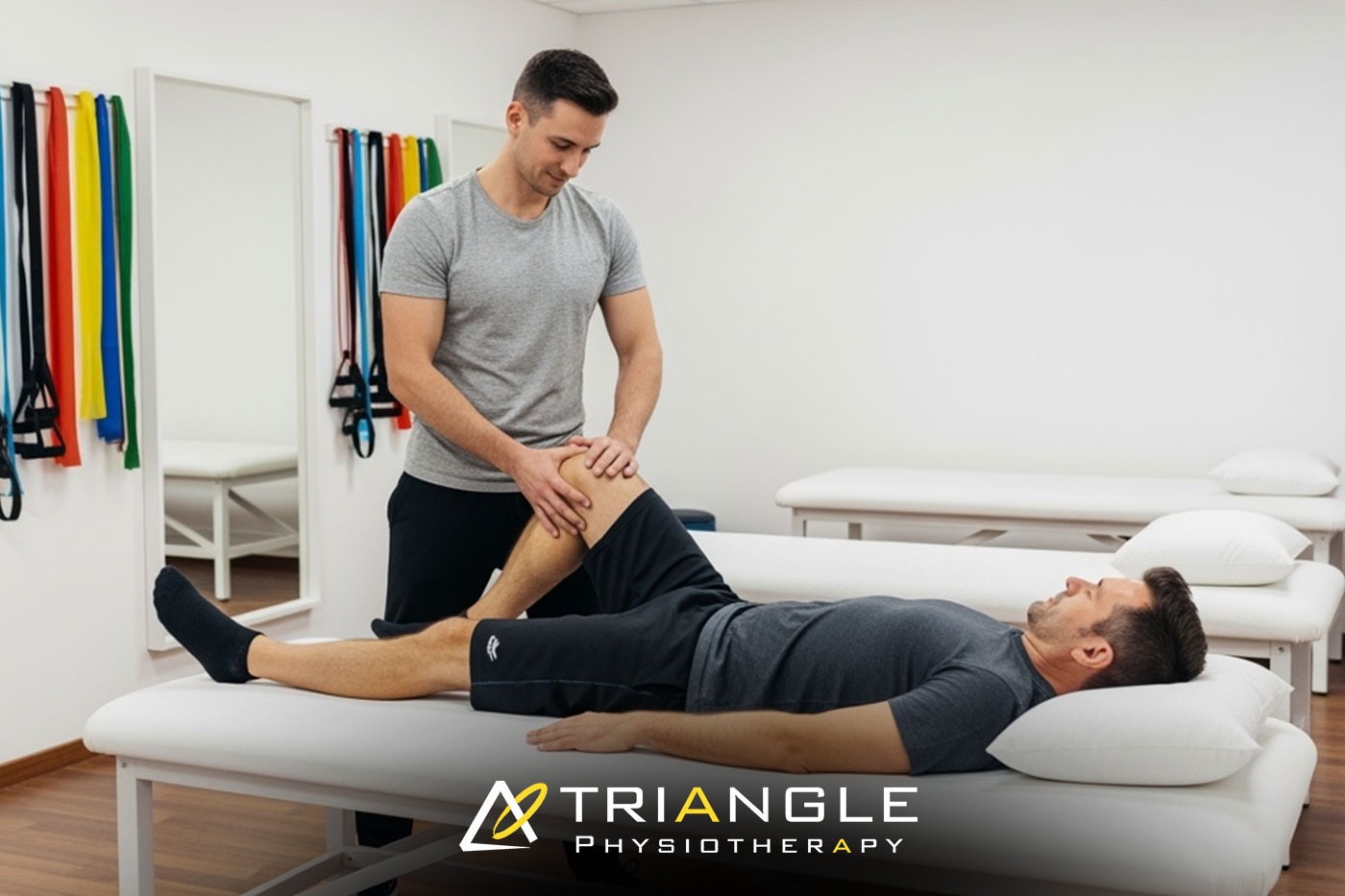
Knee discomfort can impact each step you take – whether it arises from aging, sports injuries, or chronic issues. If you’re looking for physiotherapy in Mississauga or asking, “Where can I find a top physiotherapist close to me?“, you’re not alone. Millions of Canadians suffer from knee discomfort annually, and physiotherapy provides one of the most effective, non-invasive means for sustainable relief.
In this article, we’ll examine how the skilled physiotherapists at Triangle Physiotherapy Mississauga can assist you in restoring mobility, alleviating pain, and returning to the activities you enjoy.
Understanding the Causes of Knee Pain
Knee discomfort can originate from multiple sources, and recognizing the underlying cause is crucial for successful treatment.
Some of the most prevalent causes include:
- Osteoarthritis
- Meniscus tears
- Ligament injuries (ACL, MCL)
- Patellofemoral pain syndrome
- Overuse injuries or repetitive strain
These conditions can affect adults and seniors, restricting independence and diminishing quality of life. That’s where skilled physiotherapy becomes essential.
Why Choose Physiotherapy for Knee Pain?
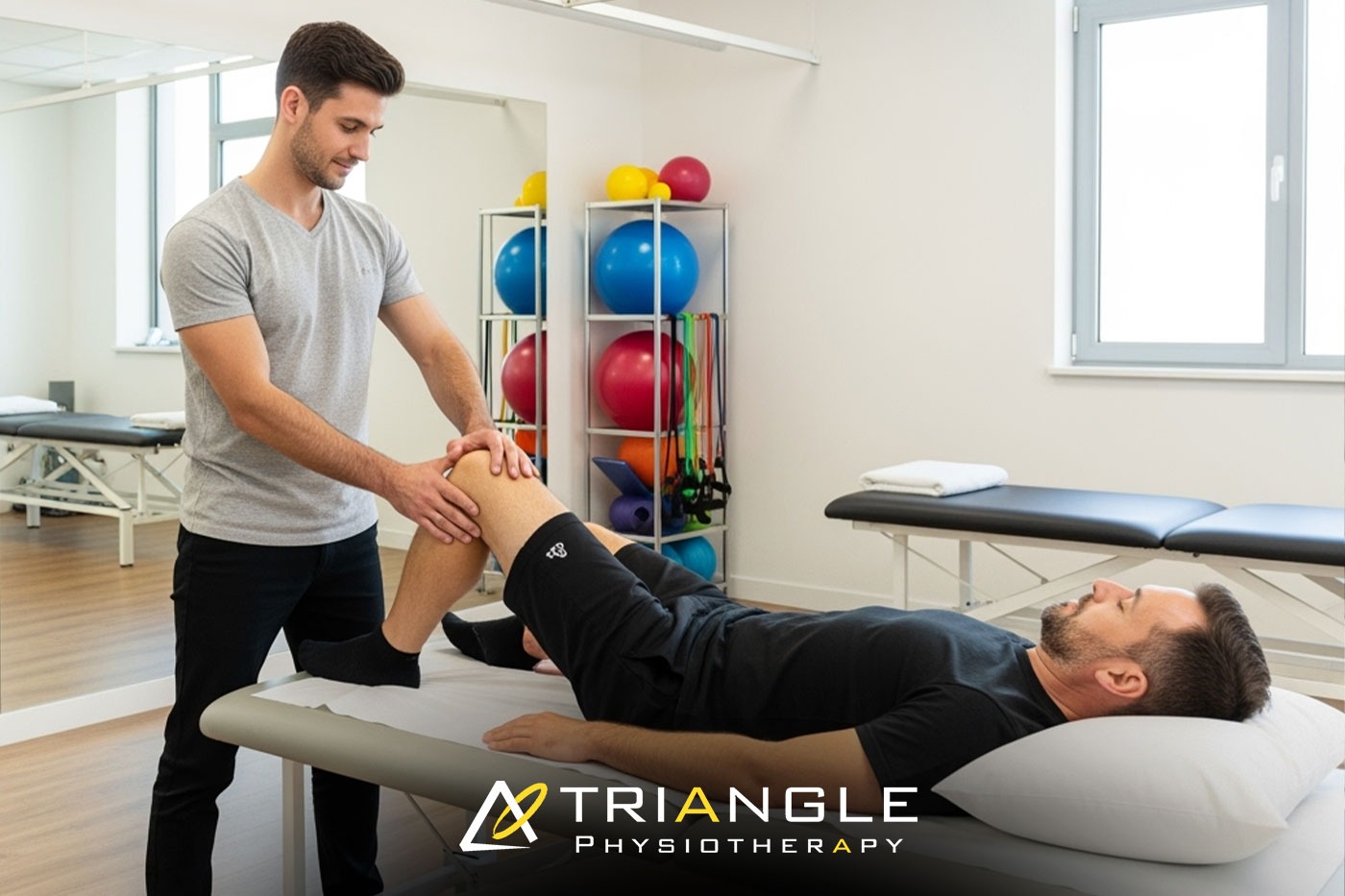
Whether you’re coping with chronic knee discomfort or healing from an injury, physiotherapy nearby is often the initial approach to treatment.
Here’s why:
- Targeted Treatment Plans: Customized exercises and manual therapy concentrated on your specific condition.
- Non-Invasive Relief: Avoid surgical procedures with effective physiotherapy methods.
- Enhanced Mobility and Strength: Restore function to muscles and joints for long-term well-being.
- Pain Management Without Medication: Decrease or eliminate the reliance on pain medications.
At Triangle Physiotherapy, our knowledgeable team adopts a patient-centered approach to care.
What to Expect at Triangle Physiotherapy Mississauga
When you schedule your initial visit at our physiotherapy clinic in Mississauga, here’s what you will experience:
- Thorough Evaluation Our certified physiotherapists conduct a complete assessment of your knee, gait, posture, and overall biomechanics to pinpoint the issue’s source.
- Customized Treatment Strategy We create a plan that suits your requirements, which may encompass – Manual therapy – Therapeutic ultrasound – Intramuscular Stimulation – Joint mobilization – Strength and flexibility exercises – Taping and bracing (if necessary)
- Continuous Support & Education We equip you with exercises for home and preventive advice to guarantee lasting results. Our team tracks progress and modifies your treatment as necessary.
Are you on the lookout for a top physiotherapist nearby? Triangle’s team in Mississauga boasts extensive expertise in treating various knee injuries and age-related conditions.
Benefits of Physiotherapy for Seniors with Knee Pain
As we age, joint degeneration tends to become more frequent – especially in weight-bearing joints such as the knees.
Seniors in Mississauga looking for physiotherapy nearby can reap benefits including:
- Enhanced balance and stability
- Decreased pain and inflammation
- Greater range of motion
- Improved quality of life
Triangle Physiotherapy provides a secure, encouraging environment for older adults to recover and strengthen.
When to See a Physiotherapist
If you’re experiencing any of the following symptoms, it’s time to schedule an assessment:
- Ongoing or worsening knee pain
- Swelling or stiffness
- Trouble walking or ascending stairs
- Popping or grinding sounds in the knee
- Limited mobility or strength
Don’t postpone addressing the pain that could take over your life – physiotherapy in Mississauga is only a phone call away.
Why Triangle Physiotherapy Is Your Best Choice
Are you using the search terms “physiotherapy clinic near me” that focuses on knee discomfort? Triangle Physiotherapy Mississauga distinguishes itself by:
- Skilled, certified physiotherapists
- Individualized care and bespoke treatment
- Convenient location and adaptable appointment times
- Advanced equipment and evidence-based methodologies
Book Your Appointment Today
Don’t let knee pain hold you back. Whether you’re an active adult, a senior, or recovering from an injury, Triangle Physiotherapy Mississauga is here to help. Our expert team is ready to guide you every step of the way toward lasting relief.
📍 Looking for physiotherapy near me or the best physiotherapist near me?
📞 Contact Triangle Physiotherapy today and take the first step toward pain-free movement.
Deprecated: Creation of dynamic property Winner_Post_Class::$tags is deprecated in /home/trianglephysiotherapycom/public_html/wp-content/themes/winner/includes/objects/post-class.php on line 43

Sometimes, an injury doesn’t look dramatic – but it hurts just the same. You didn’t fall hard. There’s no obvious swelling or bruising. But your foot, shin, or wrist has been sore for days (or weeks) now, and it just won’t go away. If that sounds familiar, you might be dealing with a hairline fracture.
These tiny cracks in the bone are often overlooked or mistaken for a sprain or soft tissue injury. But they’re real, and without the right treatment, they can get worse.
At Triangle Physiotherapy, we help you not only recognize the symptoms of a hairline fracture, but also recover safely and completely with a tailored physiotherapy plan.
🩻 What Is a Hairline Fracture?
A hairline fracture – also known as a stress fracture – is a small crack in the bone that usually develops from overuse or repetitive motion.
Common causes include:
- Long-distance running or jumping activities
- New workout routines with sudden intensity
- Weak bone density (especially in older adults or those with nutritional deficiencies)
- Wearing improper footwear
- Previous injuries or poor biomechanics
🔍 Symptoms of a Hairline Fracture
They can be sneaky! If you’re experiencing any of these, it’s time to get checked out:
- Persistent pain that gets worse with activity and improves with rest
- Localized tenderness (you can “pinpoint” the pain)
- Mild swelling
- Redness or bruising (sometimes)
- Limping or difficulty bearing weight on the injured area
These signs can easily be confused with a sprain or muscle strain – which is why professional assessment is key.
🏥 How Physiotherapy Helps Heal Hairline Fractures
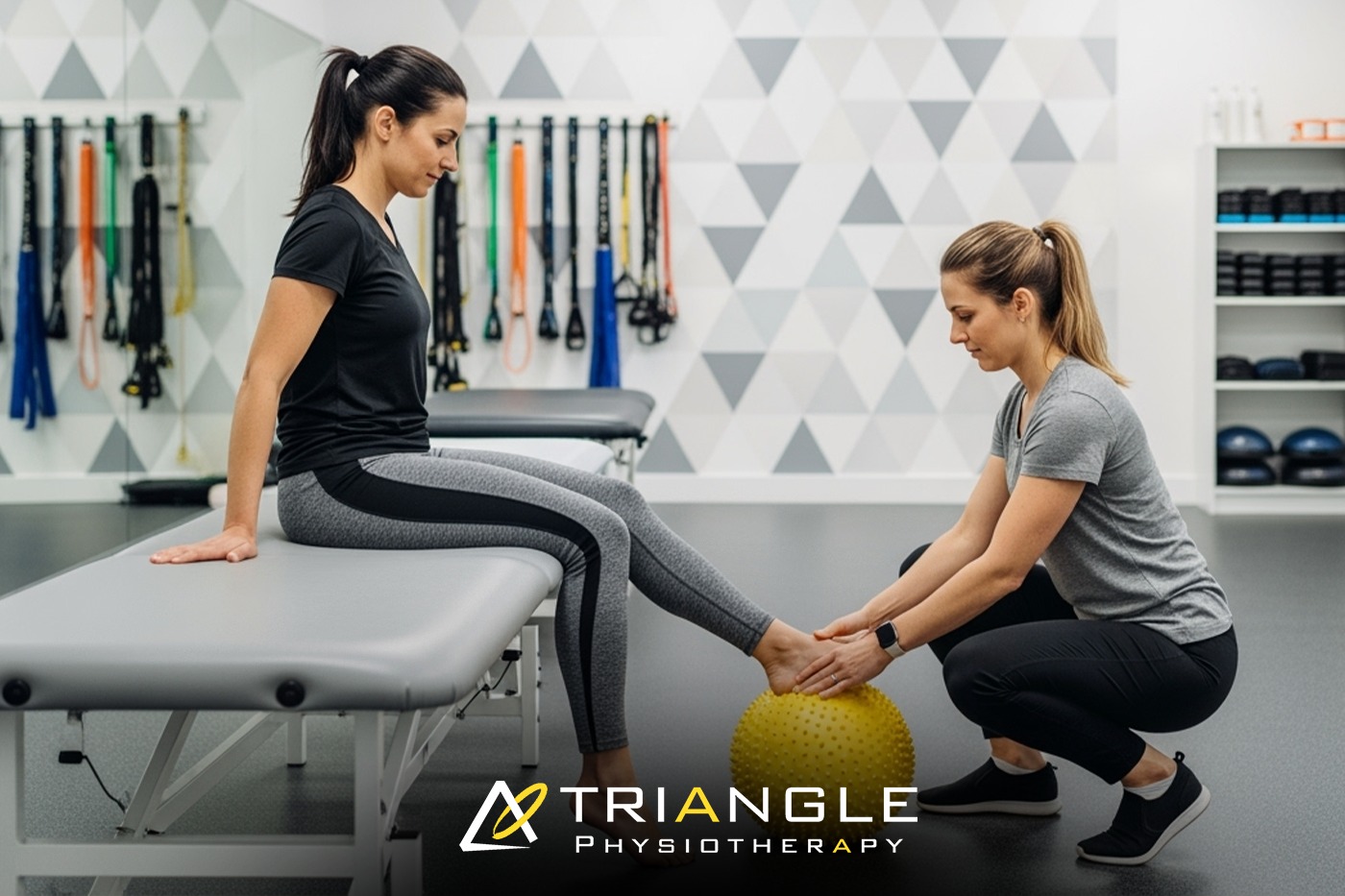
Once a fracture is diagnosed by your physician or imaging, our physiotherapists step in to support your healing journey.
Here’s how we can help:
- 🧘 Pain management techniques like ultrasound, ice therapy, or gentle mobilization
- 🏃Knowing when to change the intensity and frequency to prevent injury
- 🦶 Gait and posture correction to prevent future stress
- 🏋️ Gradual strengthening and weight-bearing exercises once cleared
- 🔁 Balance and biomechanical retraining to return to normal movement safely
- 🧠 Education and prevention strategies to avoid reinjury
Our goal? To reduce your pain, restore your mobility, and prevent long-term complications.
👣 Don’t Push Through the Pain
Hairline fractures may not “look” serious – but they are. If left untreated, they can turn into full fractures, requiring months of immobilization.
Whether you’re an athlete, a commuter, or just someone who took one wrong step – your body deserves care.
At Triangle Physiotherapy, we’re here to guide you with expert support and personalized treatment from the moment you walk in.
📍 Serving across the GTA | 🧑⚕️ Physiotherapy Toronto
📞 Book your consultation today with the best physiotherapist in Toronto for hairline fracture recovery.
Let’s get you walking pain-free again. 💪